Japandi Living Room Ideas: The Perfect Blend of Japanese and Scandinavian Design
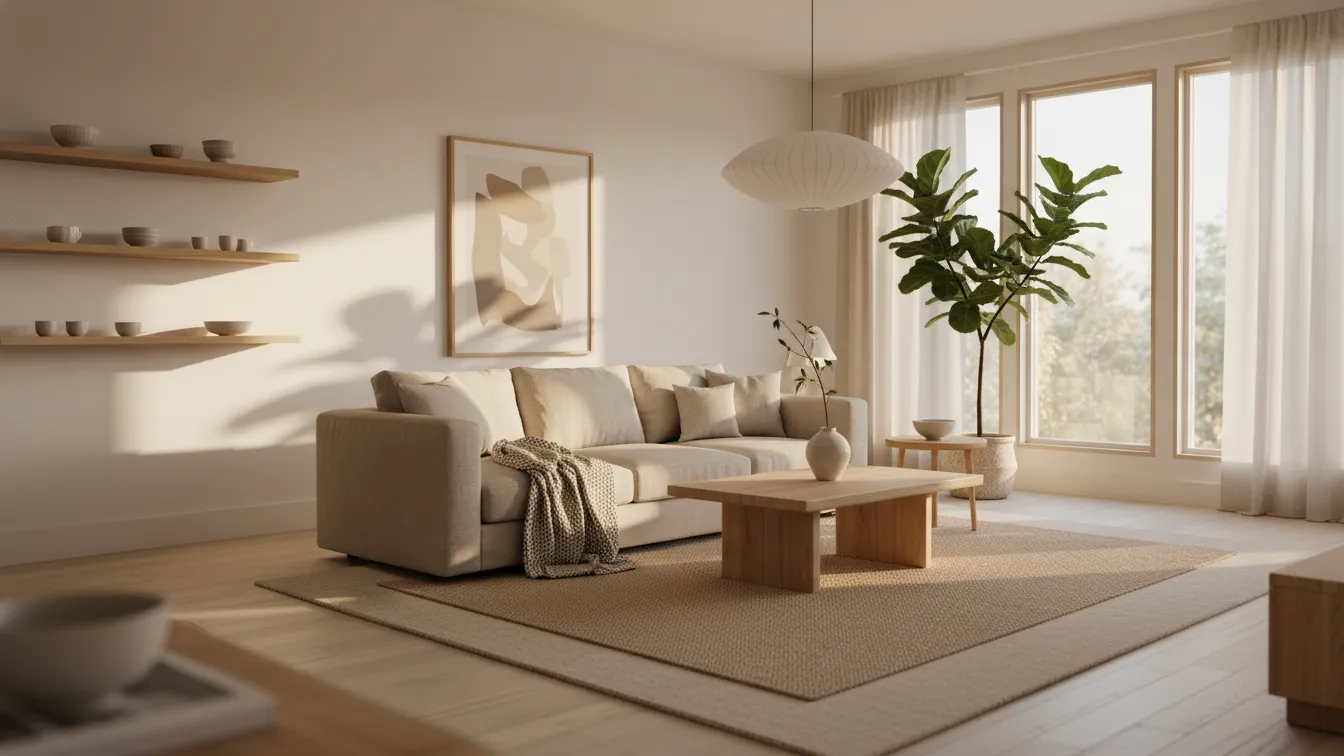
You know that feeling when you walk into a room and everything just feels right? That’s what a well-designed japandi living room does. It doesn’t shout for attention. It whispers calm, balance, and timeless style.
I’ll be honest—when I first heard about japandi style, I thought it was just another design trend that would fade away. But here’s the thing: this isn’t a trend. It’s a philosophy that combines the best of two incredibly thoughtful design traditions. The warm minimalism of Scandinavian design meets the intentional simplicity of Japanese aesthetics, and something magical happens.
In this guide, I’m going to show you exactly 25+ practical japandi living room ideas that you can implement today. Whether you’re starting from scratch or just want to add some japandi touches to your existing space, you’ll find detailed ideas with clear guidance.
What Is Japandi Style and Why Everyone’s Talking About It
Let’s start with the basics. Japandi design is the beautiful marriage of Japanese and Scandinavian interior design principles. Now, you might be wondering why these two styles work so well together. It’s actually pretty simple.
Both Japanese design and Scandinavian interior design share a deep respect for simplicity, functionality, and nature. They both say “less is more” but in slightly different accents. The Scandinavians bring hygge—that cozy, warm feeling. The Japanese contribute wabi-sabi—the appreciation of imperfection and natural beauty.
What I love about this combination is that it solves a common problem with strict minimalism. Pure minimalist design can sometimes feel cold or sterile. But japandi aesthetic adds warmth through natural materials, soft textures, and thoughtful details.
The Core Principles of Japandi Design
Here’s what makes japandi style unique:
Minimalism with warmth is the foundation. You’re not just removing things to have less stuff. You’re carefully choosing what stays because it serves a purpose or brings you joy. This minimalist living room approach means every piece counts.
Natural materials play a starring role. We’re talking light woods like oak and ash, bamboo, rattan, linen, cotton, and stone. These materials connect your space to nature and age beautifully over time.
Neutral color palettes dominate, but they’re far from boring. Think warm whites, soft grays, beiges, and earthy tones. You’ll also see muted greens and subtle blues that reference nature without overwhelming the space.
Functional furniture is non-negotiable. In japandi interior design, every piece needs to earn its place. Beautiful but useless? That doesn’t make the cut. The Japanese concept of ma (negative space) reminds us that emptiness has value too.
25+ Japandi Living Room Ideas You Can Implement Today
Now here’s where it gets interesting. I’m going to walk you through specific, actionable japandi living room ideas that you can use right away. Each idea includes practical details so you know exactly what to do.
Color and Wall Ideas
Warm White Walls with Natural Wood Accents
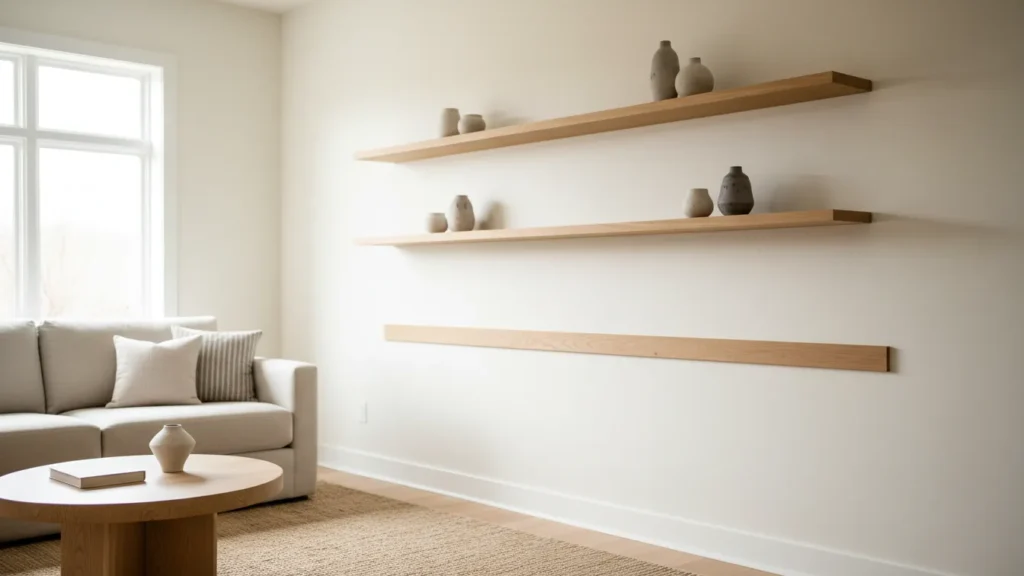
Start with walls painted in warm white—not stark white, but something with a subtle cream or beige undertone. Pair this with light oak floating shelves and a natural wood picture rail. This combination creates an airy backdrop while adding warmth. In my experience, Sherwin Williams’ “Alabaster” or Benjamin Moore’s “White Dove” work perfectly for this look.
Two-Tone Wall Treatment
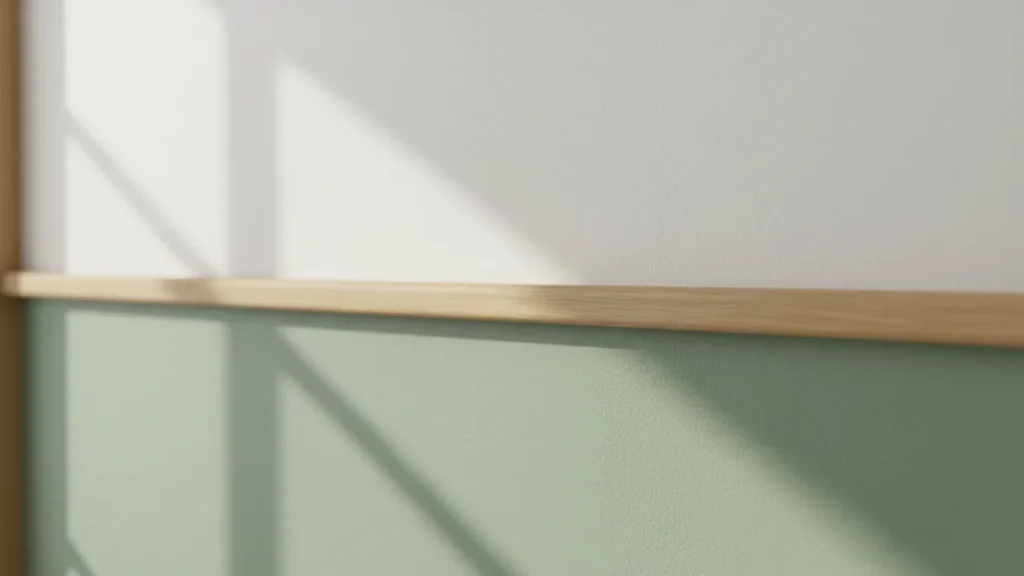
Paint the bottom half of your walls in a soft sage green or warm taupe, and keep the top half in warm white. Use a wooden trim piece to separate the two colors. This adds visual interest while maintaining the calm japandi aesthetic. The darker bottom section also hides marks in high-traffic areas.
Textured Accent Wall
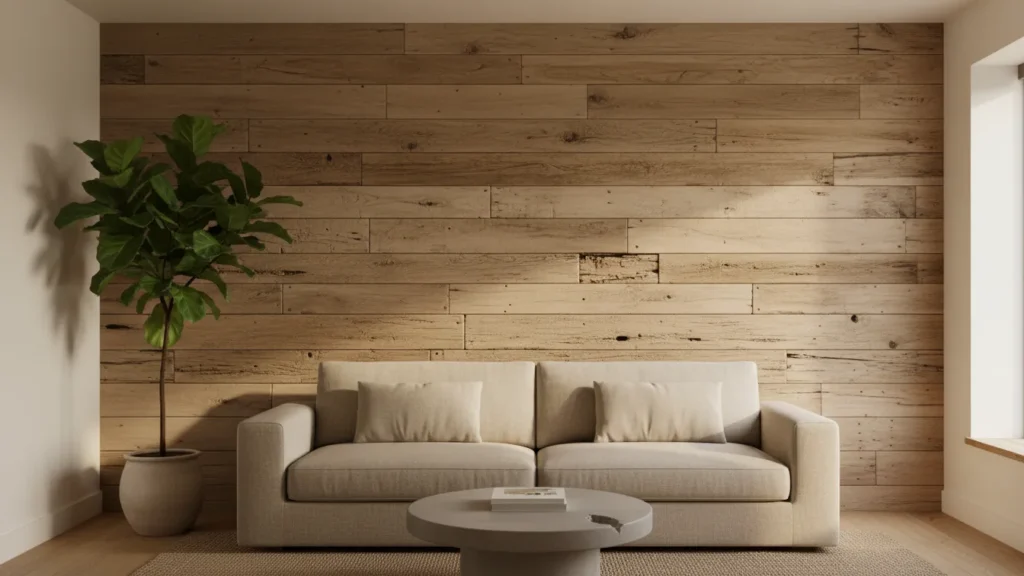
Create a feature wall using natural materials like reclaimed wood planks, grasscloth wallpaper, or plaster with a subtle texture. Keep it in neutral tones—natural wood, soft gray, or warm beige. This adds depth without overwhelming the minimalist living room aesthetic.
Shiplap with a Japanese Twist
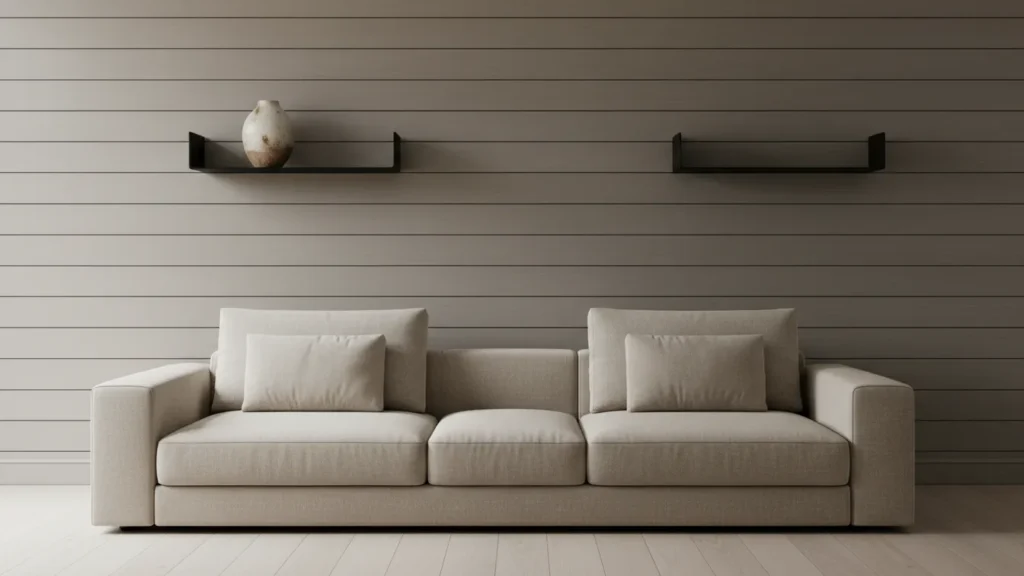
Install horizontal shiplap on one wall but in a warm gray or natural wood finish. Unlike traditional white shiplap, this version feels more aligned with Japanese interiors. It adds subtle texture and visual interest while maintaining simplicity.
Furniture Arrangement Ideas
Low-Profile Seating Arrangement
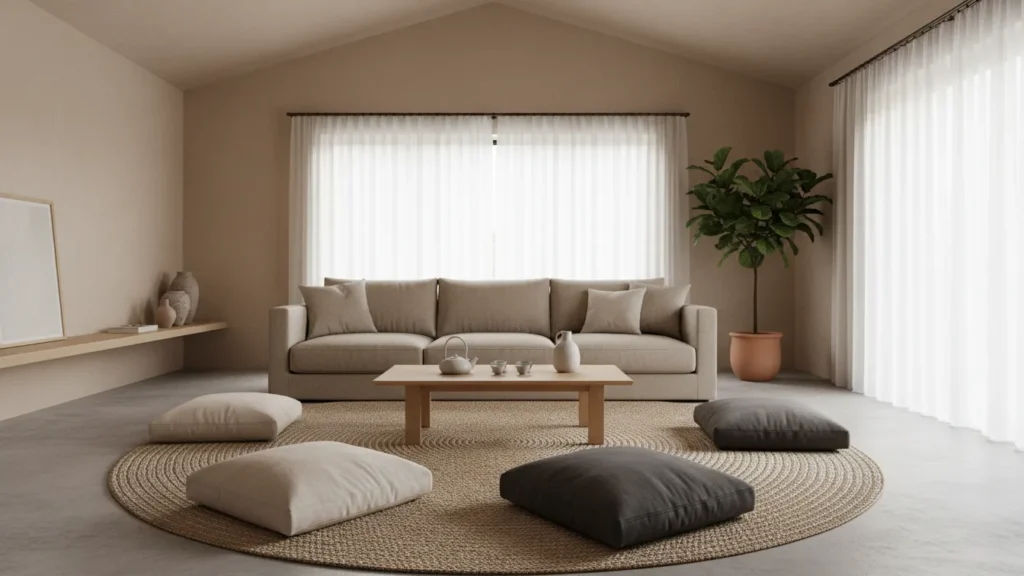
Choose a low-profile linen sofa (around 30-32 inches deep, 16-18 inches seat height) and pair it with a low wooden coffee table (14-16 inches high). Add floor cushions in neutral tones for additional flexible seating. This ground-hugging arrangement is quintessentially japandi and makes your ceiling feel higher.
Conversation Circle Layout
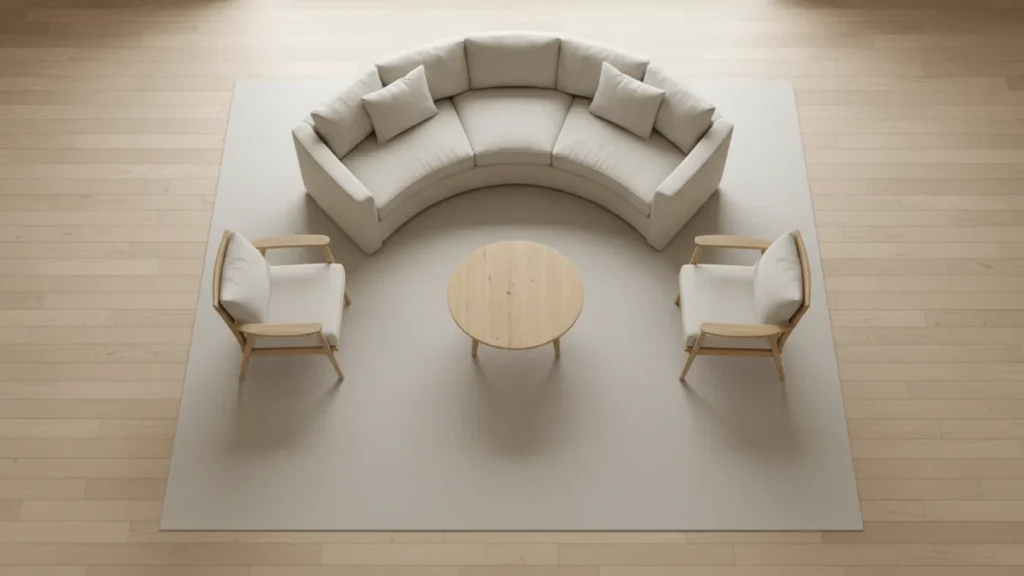
Instead of the typical sofa-against-the-wall setup, float your furniture to create an intimate conversation area. Place your sofa facing two simple armchairs with a low coffee table between them. Leave generous space around the grouping—this negative space is part of the design.
Modular Floor Seating
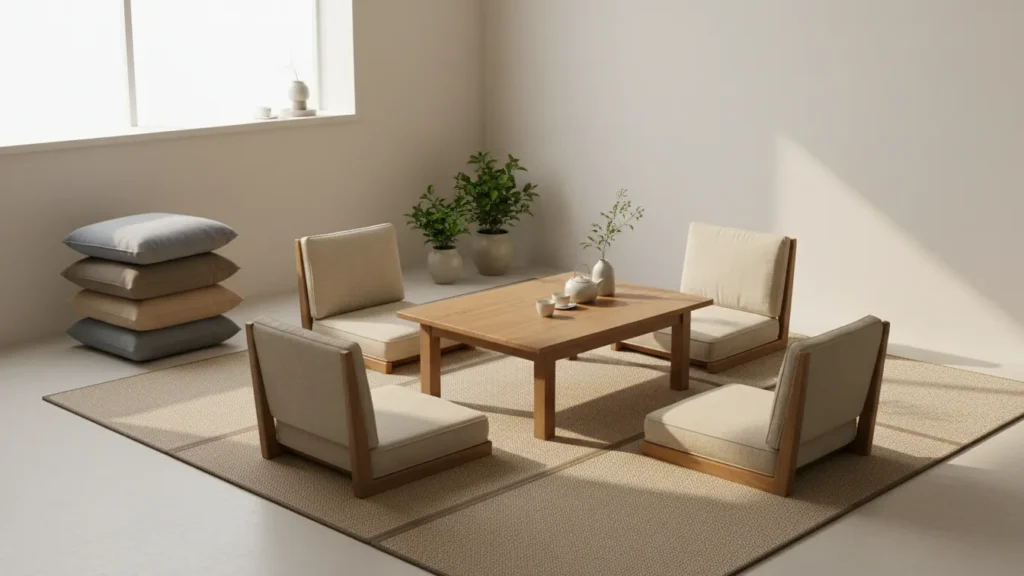
Incorporate Japanese-inspired floor seating with zaisu chairs (legless chairs) or large floor cushions arranged around a low table. This works beautifully in small japandi living rooms where you need flexibility. When not in use, stack the cushions neatly in a corner or inside a storage ottoman.
Window-Focused Layout
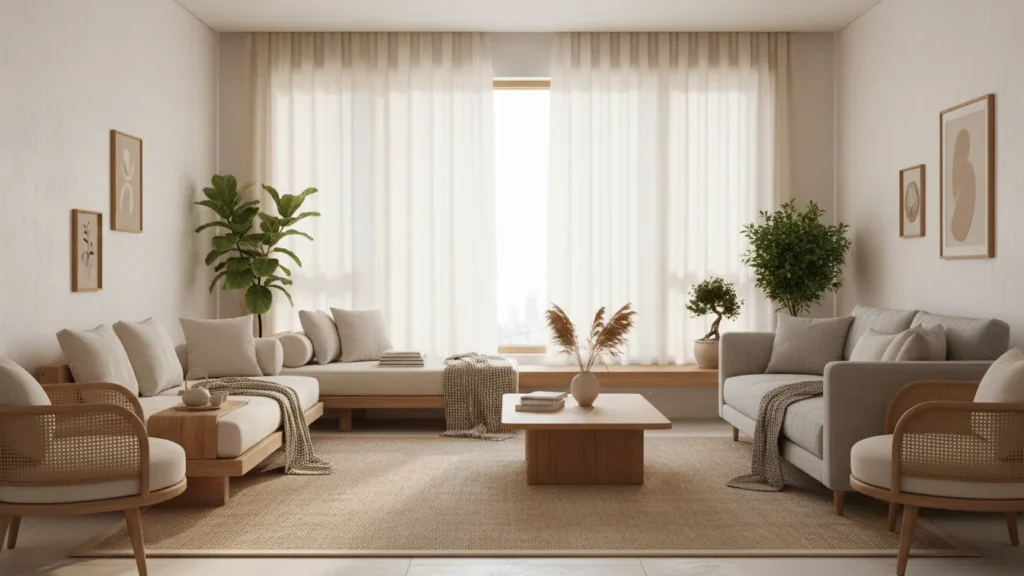
If you have a beautiful window, make it the star. Position your seating to face the view. Add a simple wooden bench or low daybed under the window with neutral cushions. This creates a reading nook while celebrating natural light—a key element in both Scandinavian design and Japanese aesthetics.
Coffee Table Ideas
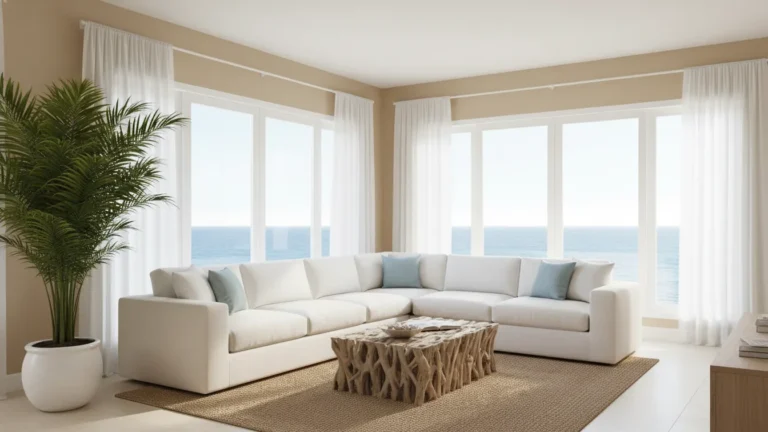
Live-Edge Wood Coffee Table
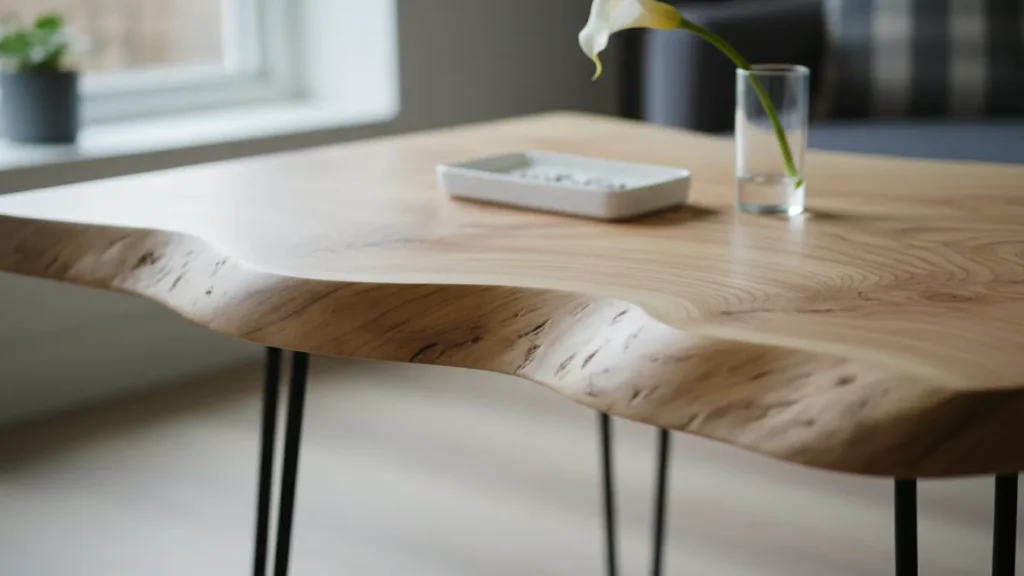
Choose a live-edge coffee table in light wood with simple black metal legs. The organic edge brings wabi-sabi’s appreciation for natural imperfection, while the clean lines keep it modern. Style it with just one or two objects—perhaps a small ceramic tray and a single stem in a bud vase.
Nested Coffee Tables
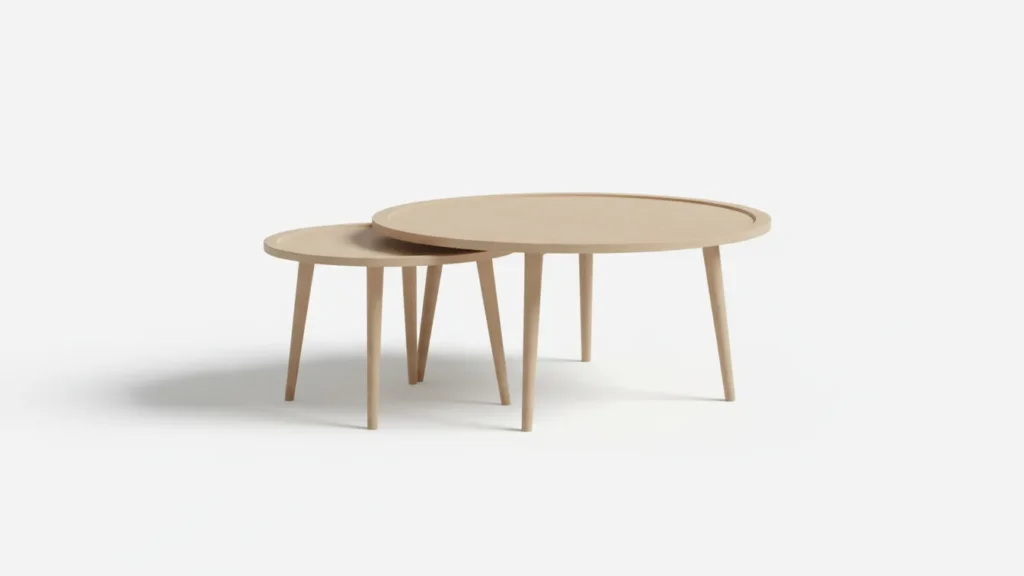
Use two or three nesting tables in different sizes but the same wood tone. This provides flexibility for entertaining while maintaining the clean look when nested together. Choose simple circular or rectangular shapes without ornate details.
Stone and Wood Combination
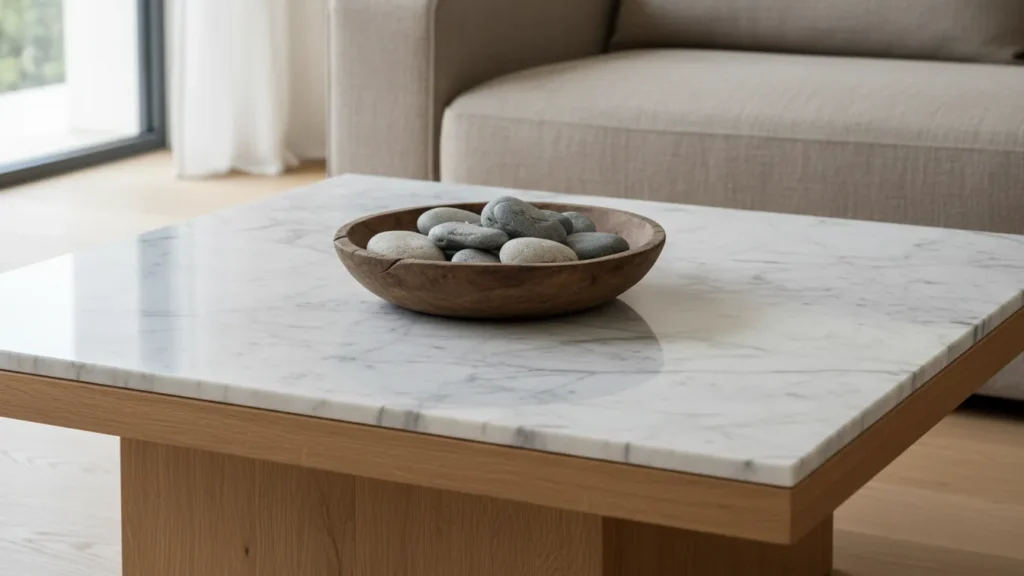
Select a coffee table that combines materials—perhaps a light oak base with a honed marble or concrete top. This material mixing is very japandi as long as everything stays in the neutral palette. The cool stone balances the warm wood beautifully.
Minimalist Japanese Tea Table
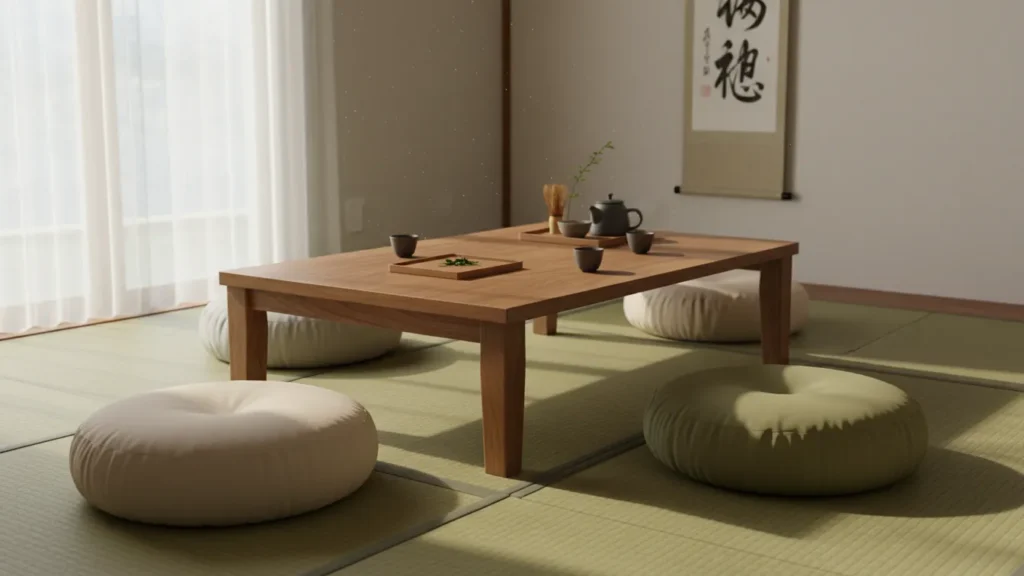
Go ultra-low with a traditional Japanese chabudai table (8-12 inches high). Pair it with floor cushions or a low sofa. This works especially well in smaller spaces and creates an intimate, relaxed atmosphere.
Lighting Ideas
Paper Pendant Lights
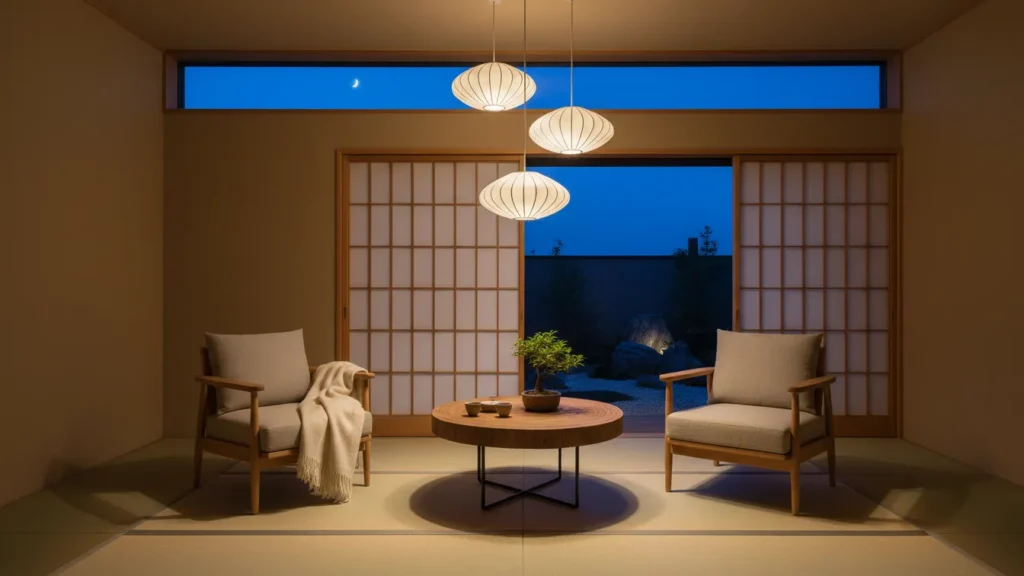
Install Japanese-inspired paper pendant lights—either traditional noguchi-style or modern interpretations. These cast soft, diffused light that’s perfect for evening relaxation. Hang them at varying heights over your seating area for visual interest.
Arc Floor Lamp with Natural Shade
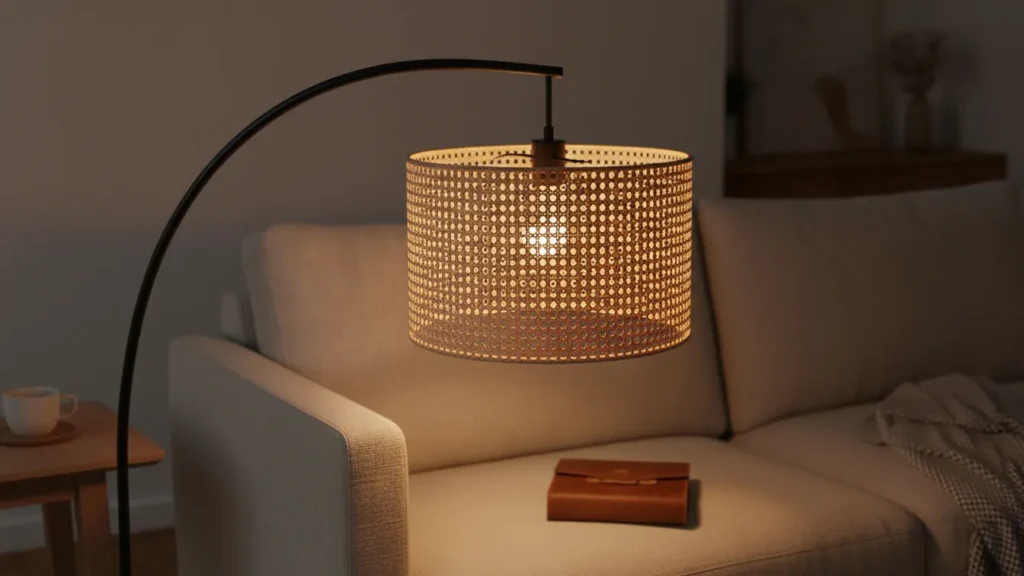
Add a sculptural arc floor lamp with a linen or rattan shade. Position it beside your sofa to provide reading light while making a design statement. Choose one in black metal or natural wood to stay on-brand with japandi furniture.
Layered Lighting Scheme
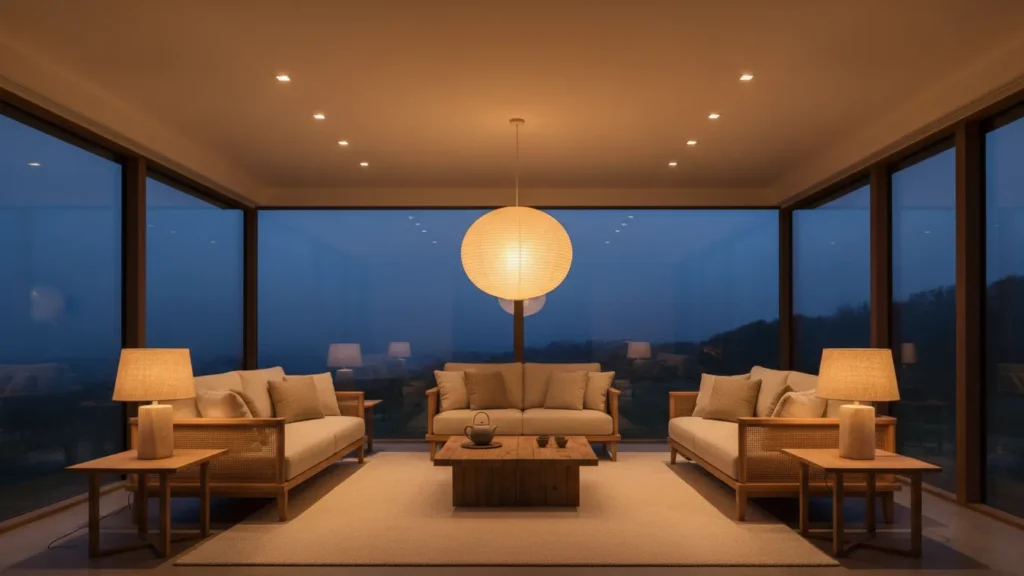
Combine three types of lighting: recessed ceiling lights on dimmers, one statement pendant or ceiling fixture, and two table or floor lamps. This allows you to adjust the mood throughout the day. Use warm LED bulbs (2700-3000K) to maintain that cozy feeling.
Shoji-Inspired Light Panels
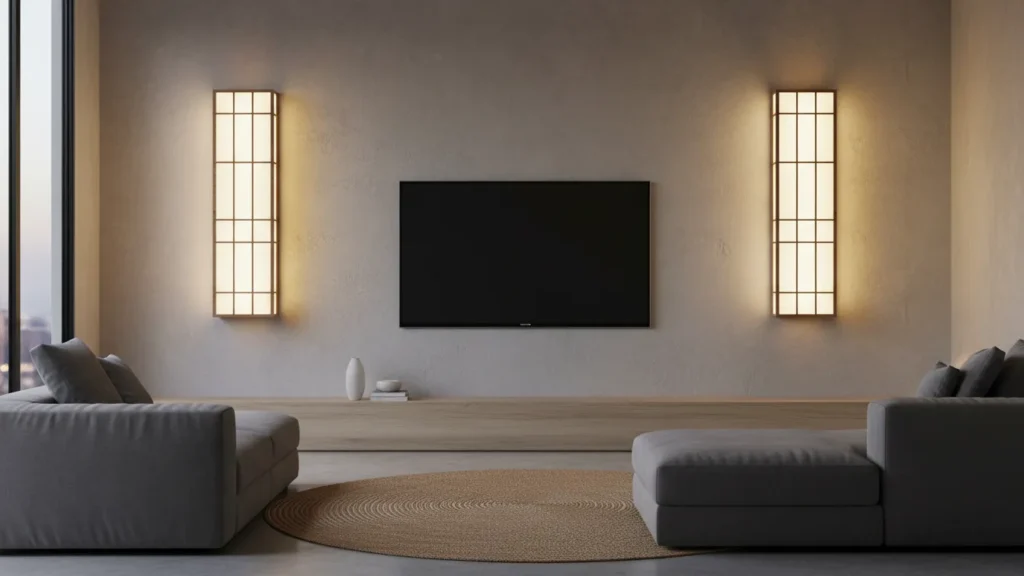
Install wall-mounted light panels inspired by Japanese shoji screens. These provide soft, even illumination and double as decorative elements. They work particularly well flanking a TV or fireplace.
Storage and Shelving Ideas
Floating Shelves Display
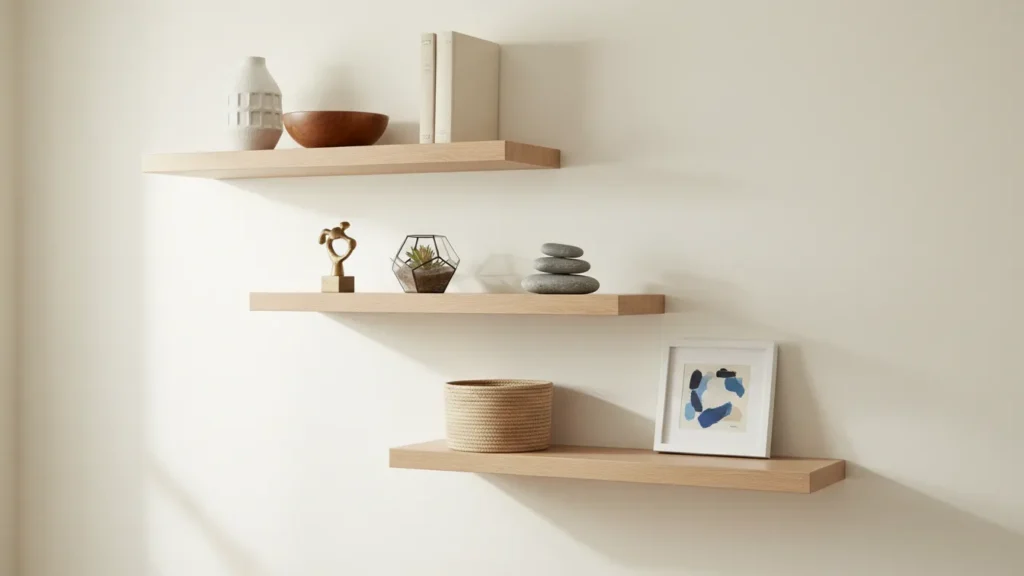
Install two to three floating shelves in light oak or ash wood. Display items using the “rule of three”—group objects in odd numbers. A small ceramic vase, a wooden bowl, and a single book create a curated look. Leave plenty of empty space between objects.
Closed Storage Media Console
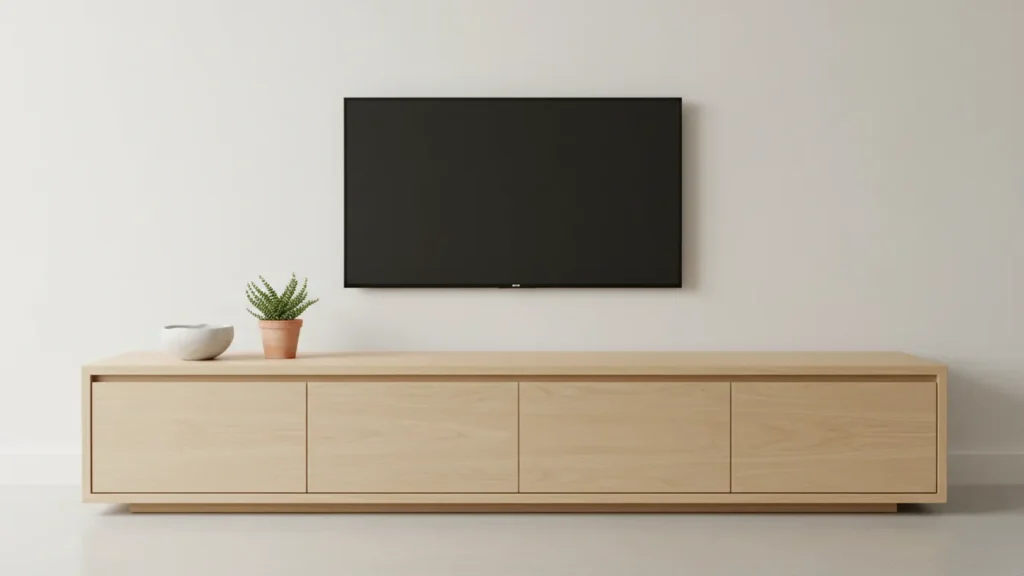
Choose a low, long media console (60-80 inches wide) with closed cabinets to hide clutter. Look for one in natural wood with minimal hardware—maybe just finger-pull grooves instead of handles. This keeps electronics, remotes, and miscellaneous items out of sight while maintaining clean lines.
Built-In Alcove Shelving

If you have alcoves beside a fireplace, install built-in shelving painted in the same color as your walls. Use the lower cabinets for closed storage and open shelves above for a few carefully chosen books and objects. This maximizes storage while maintaining the uncluttered japandi aesthetic.
Ladder Shelf Display
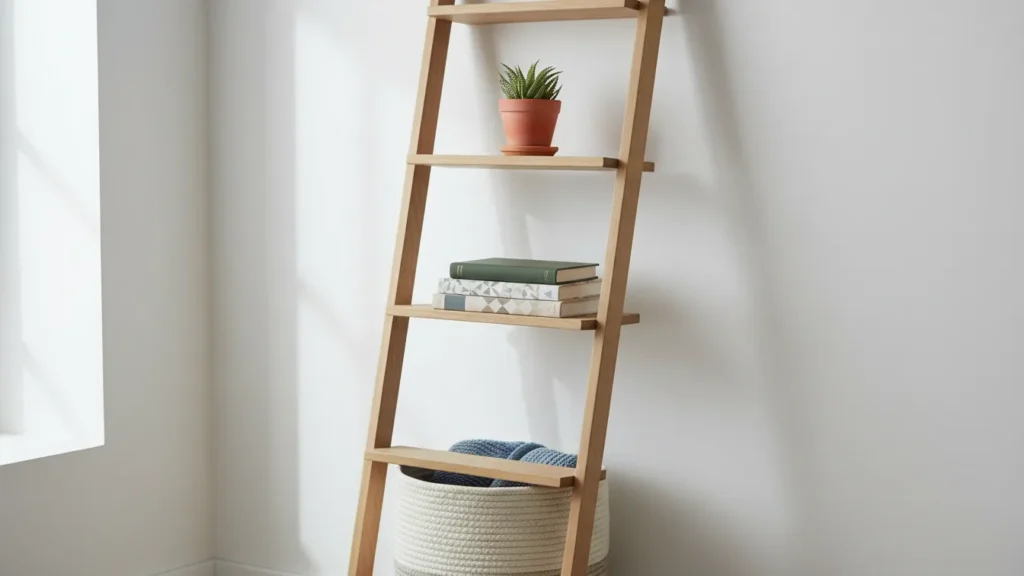
Lean a wooden ladder shelf against the wall for casual, accessible storage. Style it minimally with a few books, a small plant, and perhaps a woven basket on the bottom rung. The ladder’s natural wood and simple lines fit perfectly with japandi style.
Textile and Softness Ideas
Layered Neutral Rugs
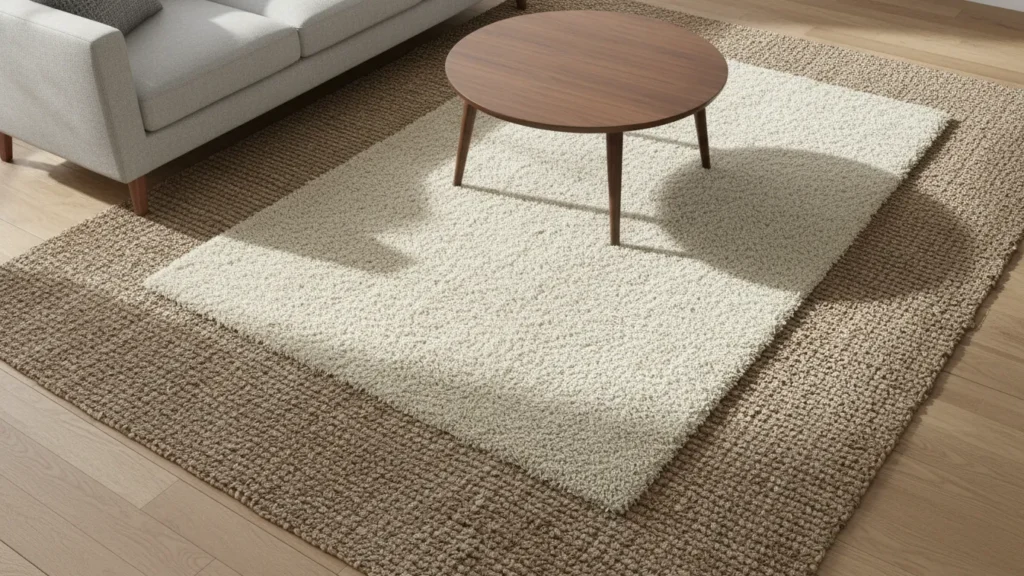
Layer two natural fiber rugs—a large jute or sisal rug as the base (8×10 or 9×12 feet) with a smaller, softer wool rug (5×7 feet) on top in cream or warm gray. This adds texture and warmth while defining your seating area. The layering technique is very Scandinavian interior design.
Linen Everything
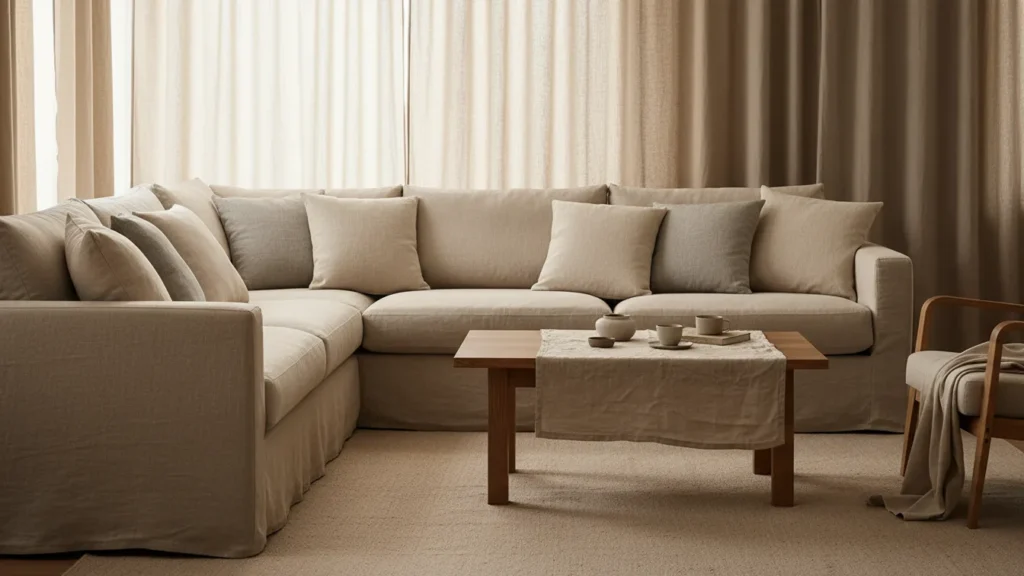
Switch to linen for maximum japandi impact. Linen sofa covers, linen curtains, linen throw pillows, and linen table runners all work together to create that relaxed, natural feeling. Choose colors like oatmeal, warm gray, natural flax, or soft white. Linen’s beautiful wrinkles embrace wabi-sabi perfectly.
Textured Throw Blanket Display
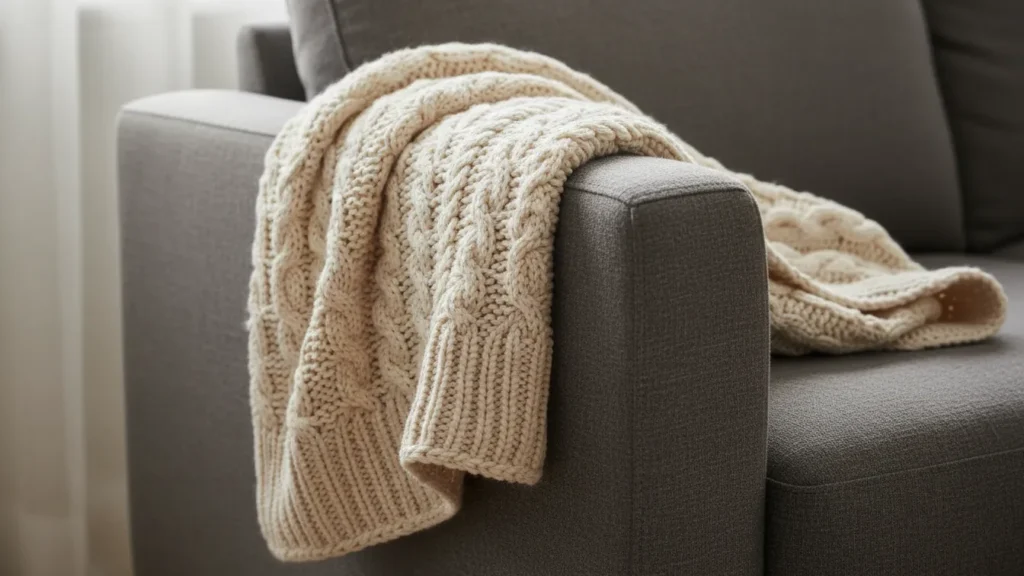
Drape a chunky knit or waffle-weave throw blanket casually over one arm of your sofa. Choose cream, warm gray, or camel color. Don’t fold it perfectly—a little messiness adds that lived-in feeling that keeps minimalist interiors from feeling sterile.
Simple Roman Shades
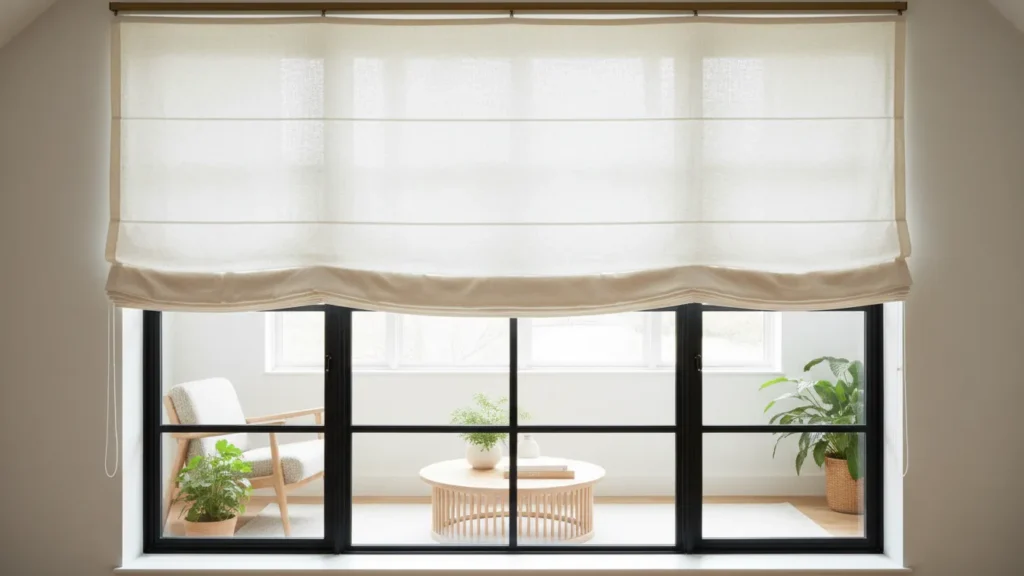
Replace heavy curtains with simple linen Roman shades in white or natural linen color. These provide privacy while maintaining clean lines. During the day, raise them completely to maximize natural light—essential in Scandinavian design.
Wall Decor Ideas
Large-Scale Minimalist Art
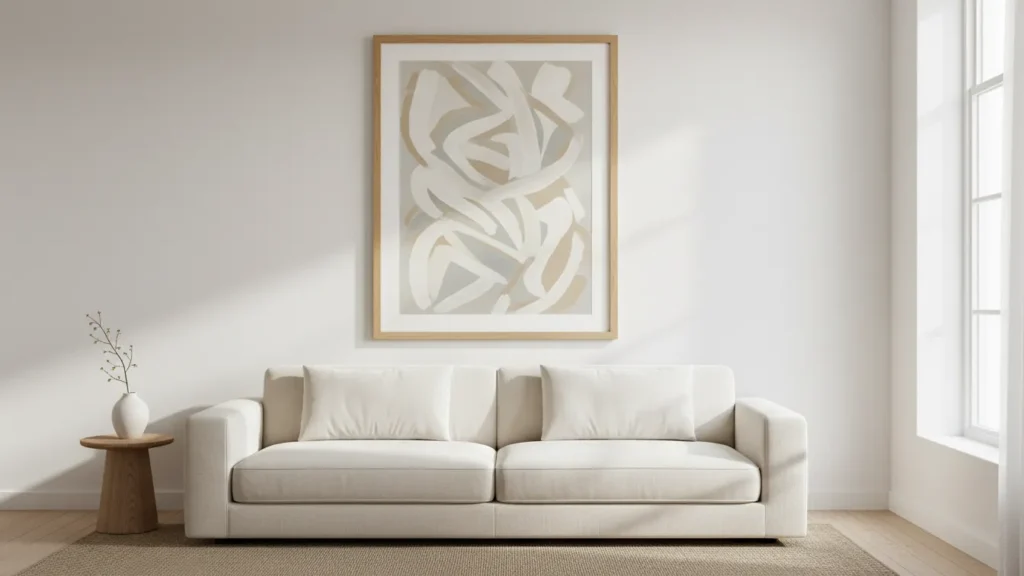
Hang one large piece of minimalist art (36×48 inches or larger) on your main wall. Choose abstract art in neutral tones, a black and white photograph, or a simple line drawing. Frame it in light wood or matte black with a wide mat. One large piece has more impact than several small ones.
Japanese Woodblock Print
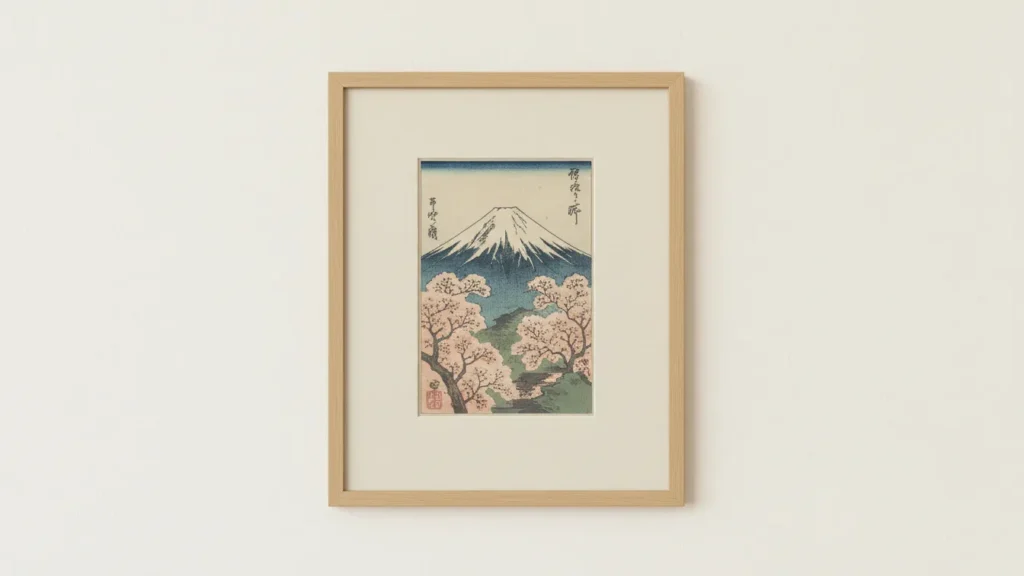
Display a traditional or contemporary Japanese woodblock print in a simple frame. The clean lines and nature themes of these prints align perfectly with japandi interior design. Position it at eye level and leave plenty of empty wall space around it.
Floating Shelf Gallery
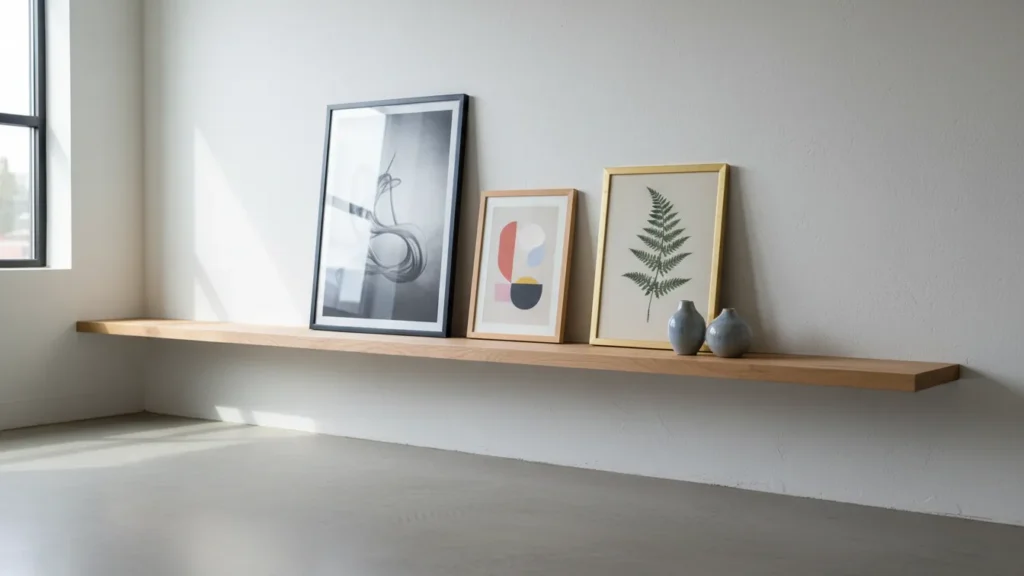
Create a gallery using one long floating shelf (48-60 inches) positioned about 5 feet high. Lean two or three framed prints against the wall (no hanging required) along with a small sculptural object. This casual arrangement is easy to change and feels less permanent than traditional galleries.
Woven Wall Hanging
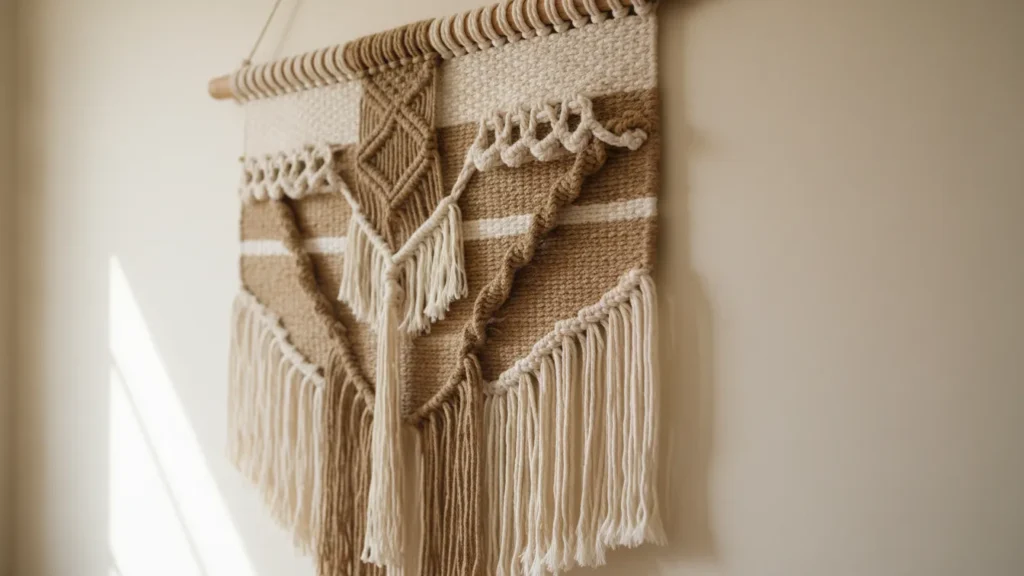
Add one handmade woven wall hanging in natural fibers—jute, wool, or cotton in cream and beige tones. The handcrafted quality and natural materials embody both wabi-sabi and hygge. Hang it off-center rather than perfectly centered for a more relaxed feel.
Plant and Nature Ideas
Statement Fiddle Leaf Fig
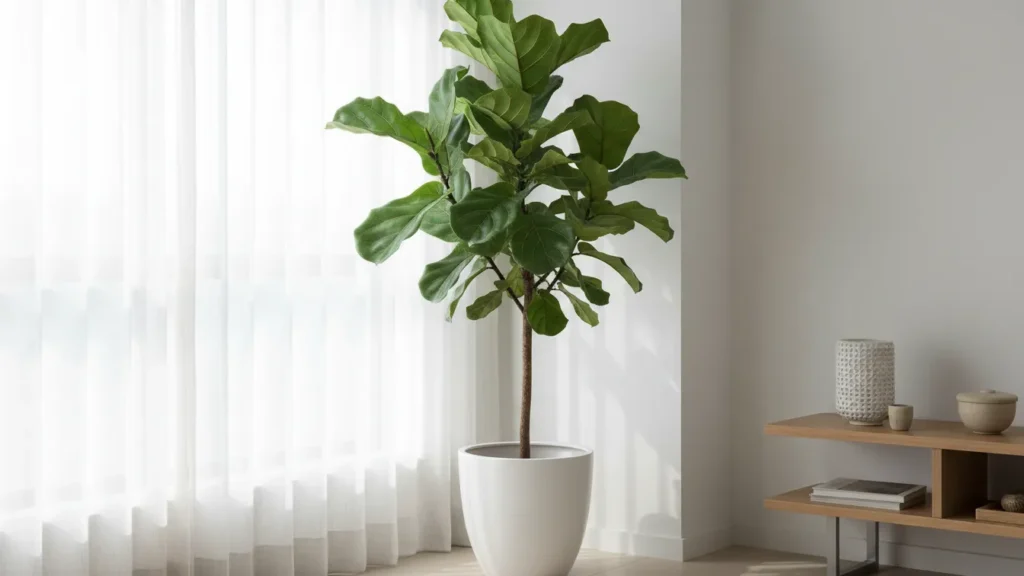
Place a large fiddle leaf fig tree (5-6 feet tall) in a simple ceramic pot in white, gray, or terracotta. Position it near your window where it gets bright indirect light. The sculptural leaves add drama while the single plant keeps things minimal.
Bonsai Display
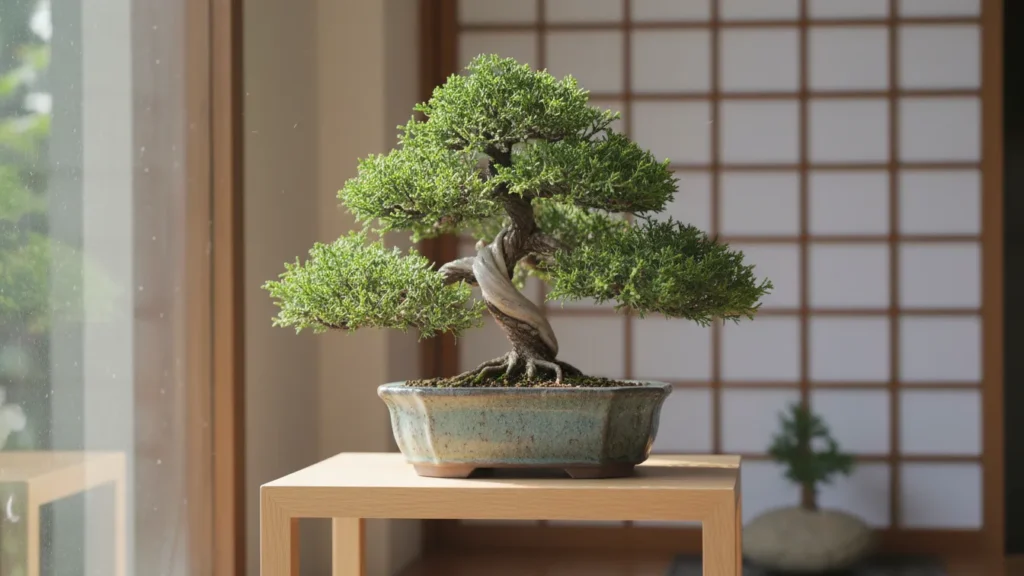
Create a bonsai display area on a simple wooden shelf or low table near natural light. Choose a classic bonsai style like juniper or ficus. The patient, meditative practice of bonsai care aligns with Japanese aesthetics, and the miniature tree adds living art to your space.
Ikebana-Style Arrangements
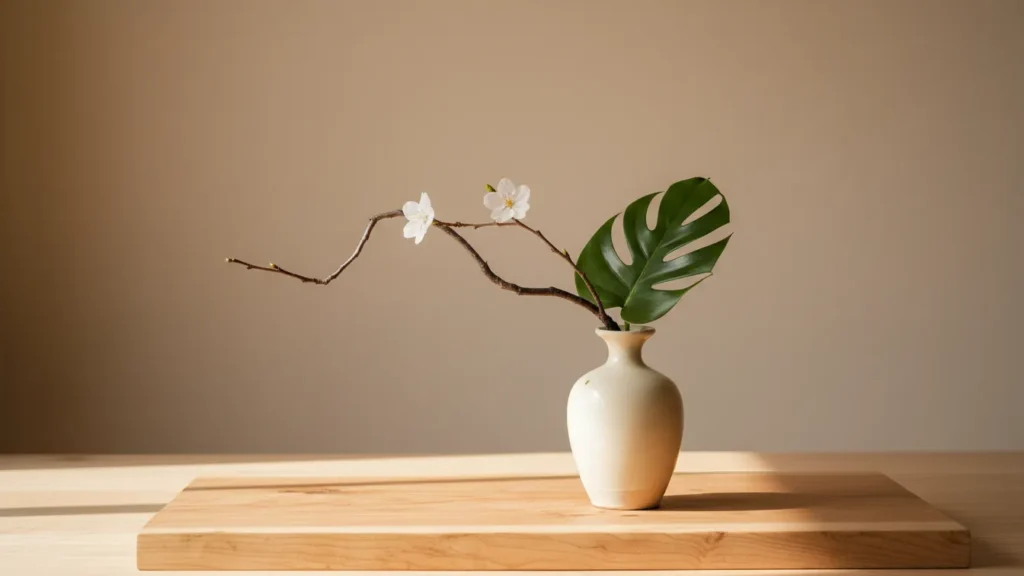
Practice ikebana, the Japanese art of flower arrangement. Use a simple ceramic vase and create minimalist arrangements with one to three stems. Focus on the beauty of line, form, and negative space. Change your arrangement weekly using seasonal branches or flowers.
Grouped Plant Display
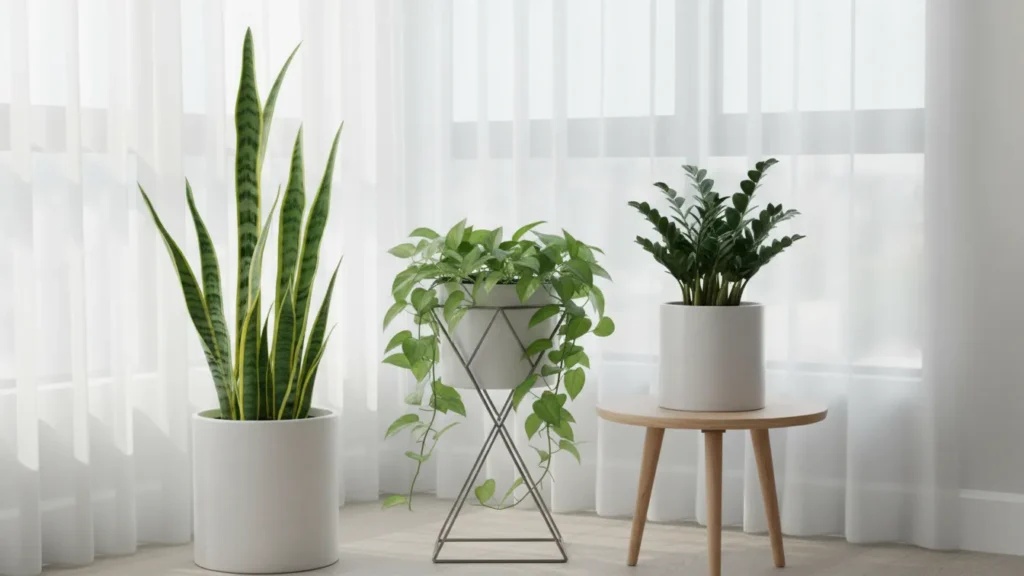
Create a plant corner with three plants of varying heights (floor plant, mid-height, and tabletop) all in matching simple pots. Choose easy-care varieties like snake plants, pothos, and ZZ plants. Group them in one area rather than scattering plants throughout the room.
Fireplace Ideas
Minimalist Fireplace Surround
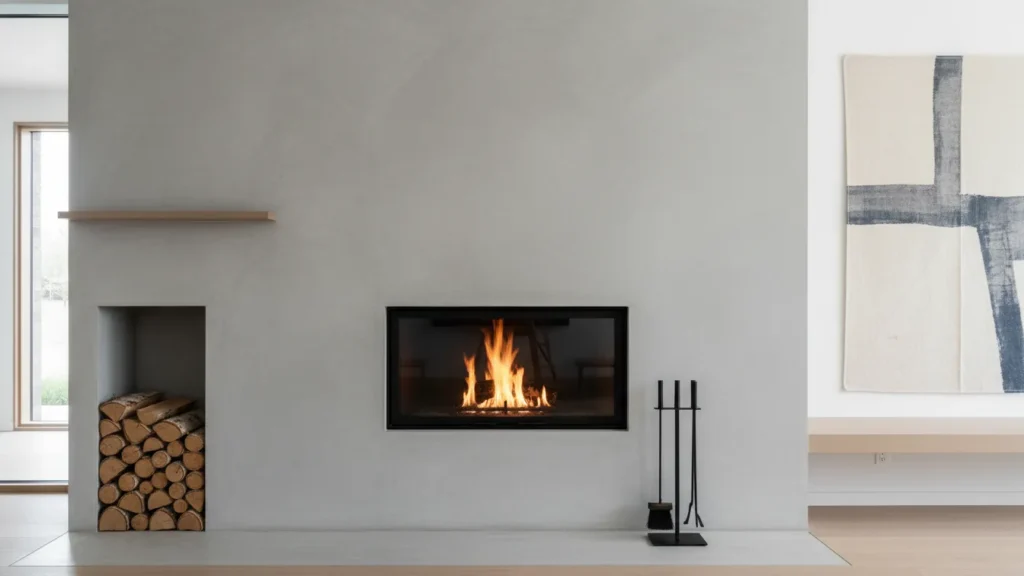
If renovating, install a simple fireplace surround in concrete, smooth plaster, or light-colored stone with no mantel or a very slim floating shelf. This modern interpretation fits japandi design perfectly. Style the hearth with a simple set of black fireplace tools and perhaps a neat stack of birch logs.
Asymmetrical Fireplace Styling
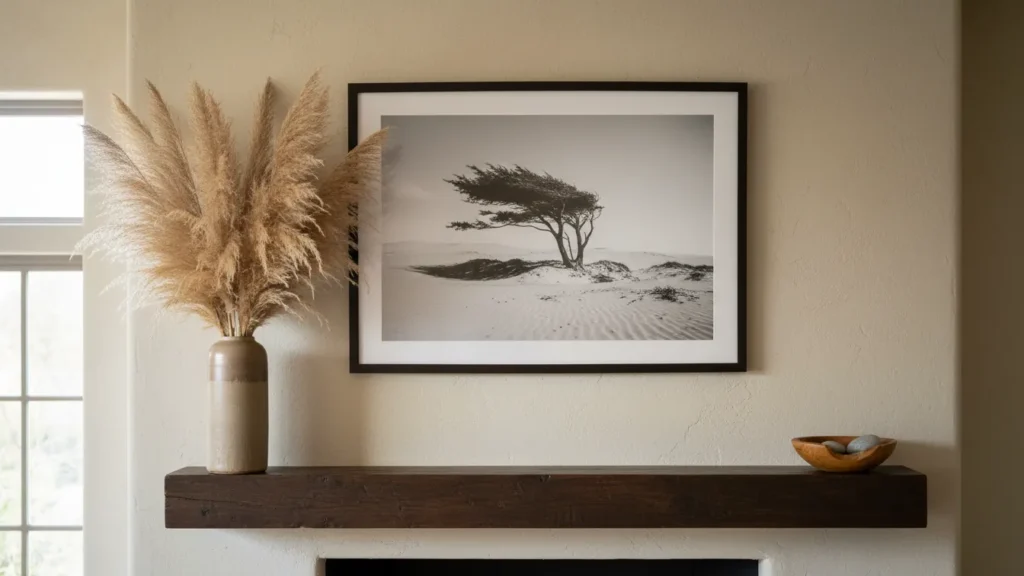
If you have a traditional fireplace with a mantel, style it asymmetrically. Place one tall ceramic vase on one side with dried pampas grass or branches. Leave the rest empty or add one small object on the opposite end. Hang one piece of art above, positioned slightly off-center.
Accent Chair Ideas
Japanese-Style Lounge Chair
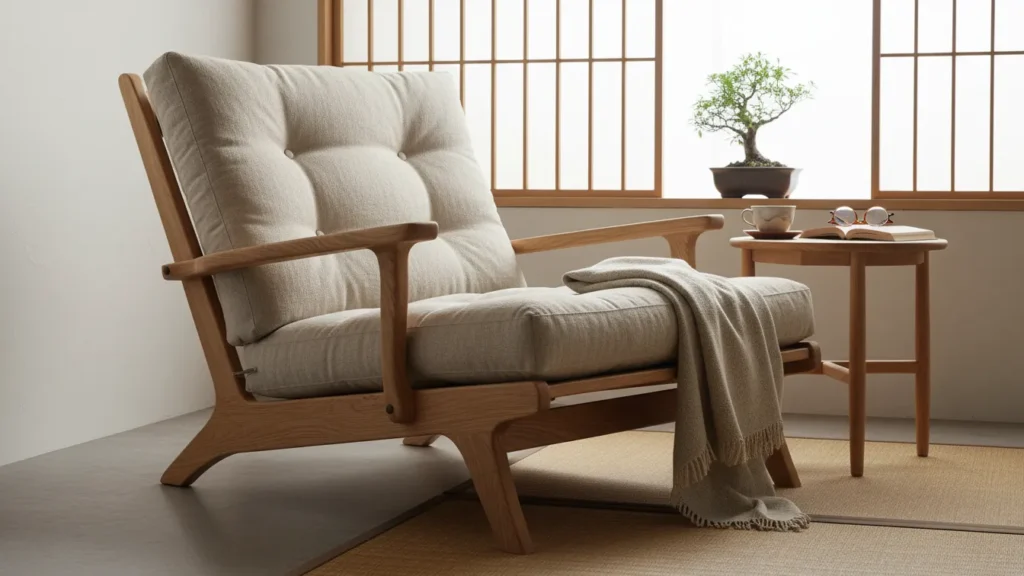
Add a low-slung lounge chair with wooden frame and neutral cushions inspired by Japanese design. Look for styles with clean lines and exposed wood. Position it at an angle to your sofa with a small side table for a perfect reading spot.
Scandi Accent Chair in Natural Fabric
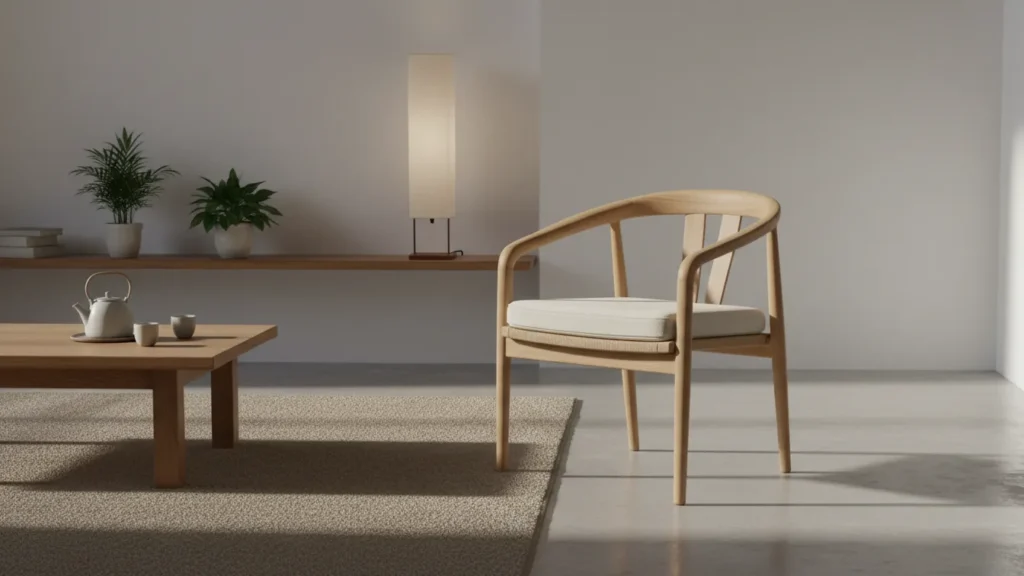
Choose a classic Scandinavian chair design like a Hans Wegner-inspired piece or a simple bentwood chair. Upholster it in natural linen or leave the wood bare with just a simple cushion. This brings Scandinavian furniture authenticity to your space.
Window Treatment Ideas
Bamboo Roller Shades
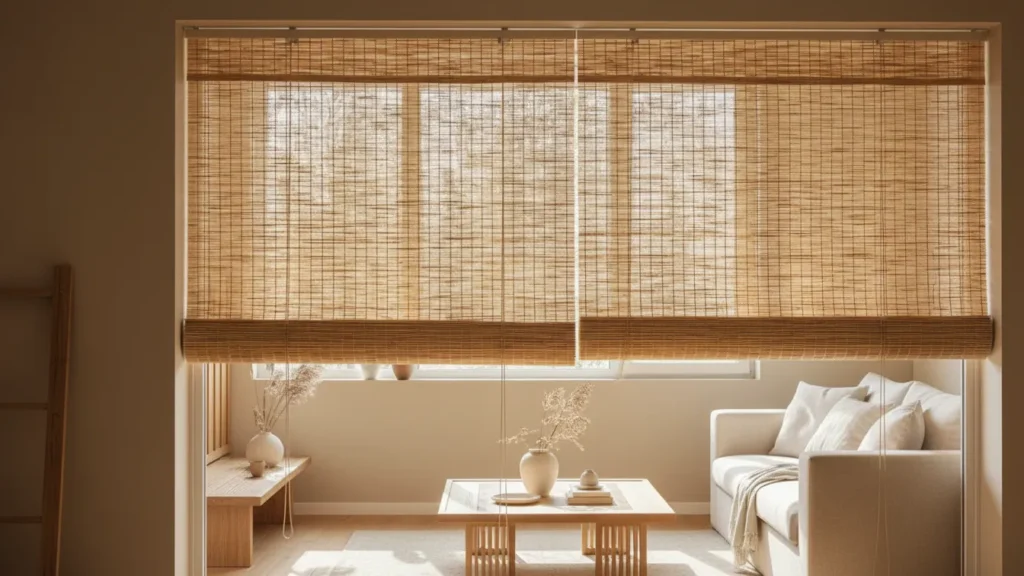
Install natural bamboo roller shades that filter light beautifully while maintaining privacy. The natural material and clean lines work perfectly with japandi style. During the day, roll them up completely to maximize light; lower them in the evening for privacy and warmth.
Simple Curtain Panels
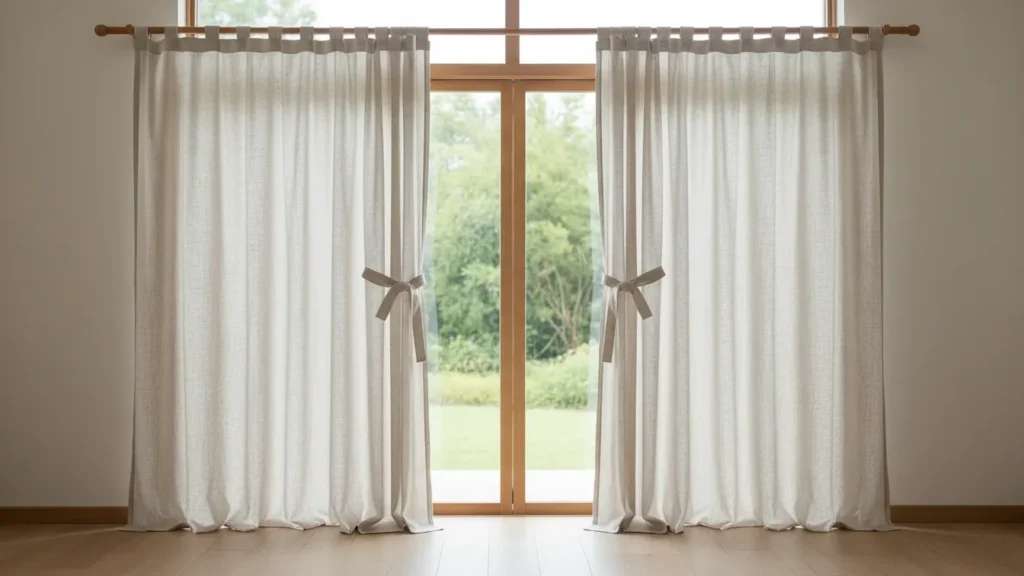
Hang simple linen curtain panels from a wooden or matte black rod. Don’t gather them—let them hang straight for clean, vertical lines. Choose a length that just kisses the floor. Keep them open during the day to frame your windows beautifully.
Accessory and Decor Ideas
Ceramic Collection Display
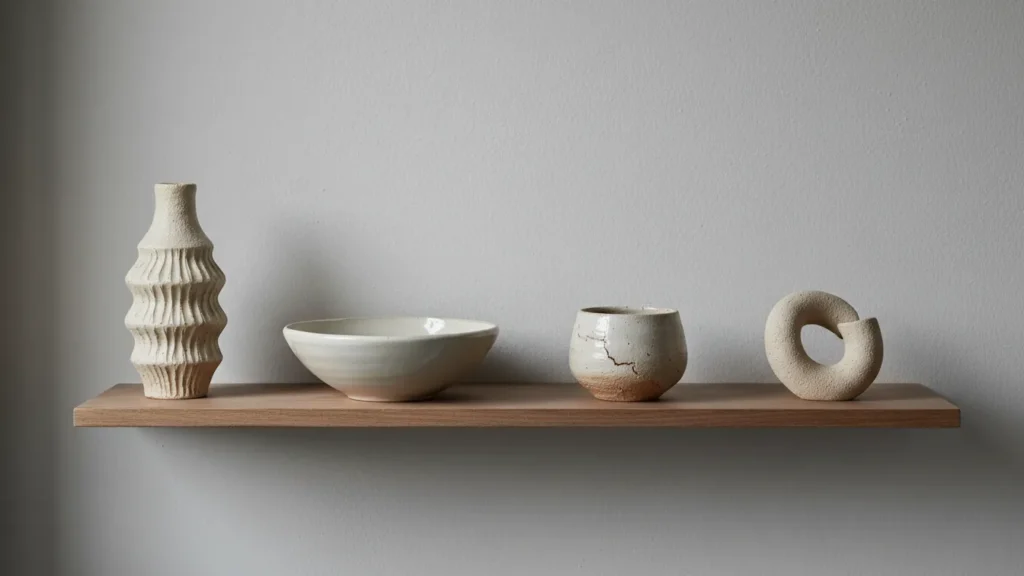
Curate a small collection of handmade ceramics—perhaps three to five pieces in neutral colors with varied textures. Display them on your floating shelves or coffee table. Choose pieces with visible handwork that celebrates wabi-sabi’s appreciation for imperfection.
Wooden Bowl Styling
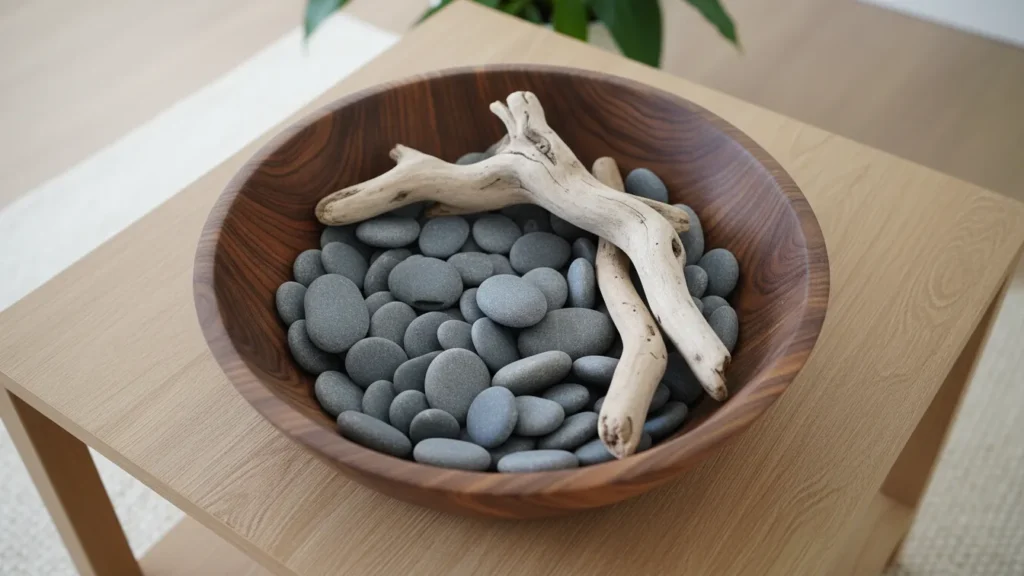
Place one large wooden bowl (12-16 inches diameter) on your coffee table. You can leave it empty to celebrate its form, or fill it with natural objects like smooth stones, pine cones, or dried seed pods. This simple styling trick adds warmth without clutter.
Minimal Book Display
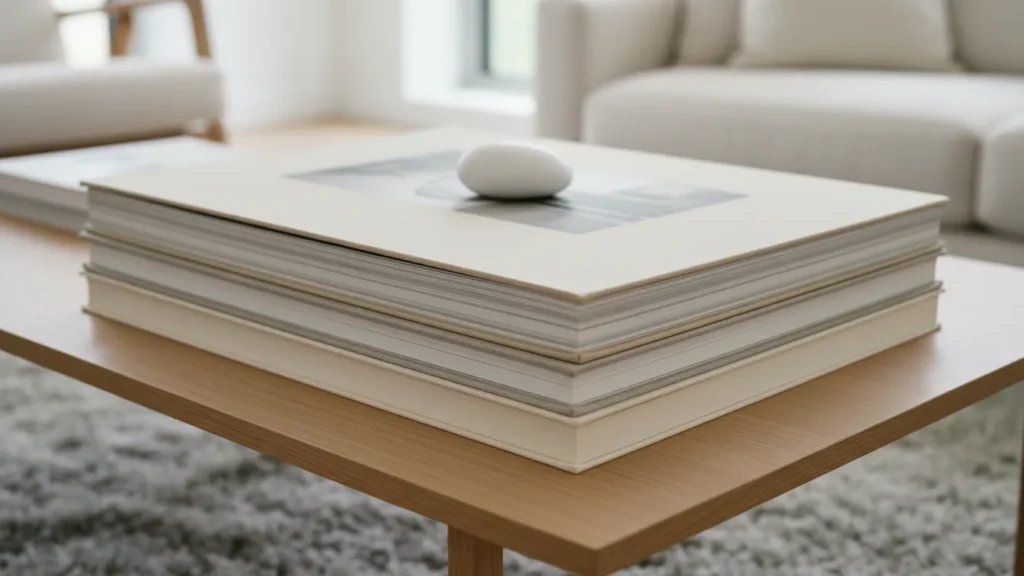
Stack three to five oversized art or photography books on your coffee table. Choose books with beautiful neutral covers or turn them spine-in for a uniform look. Top the stack with one small object like a smooth stone or small ceramic piece.
Natural Element Vignette
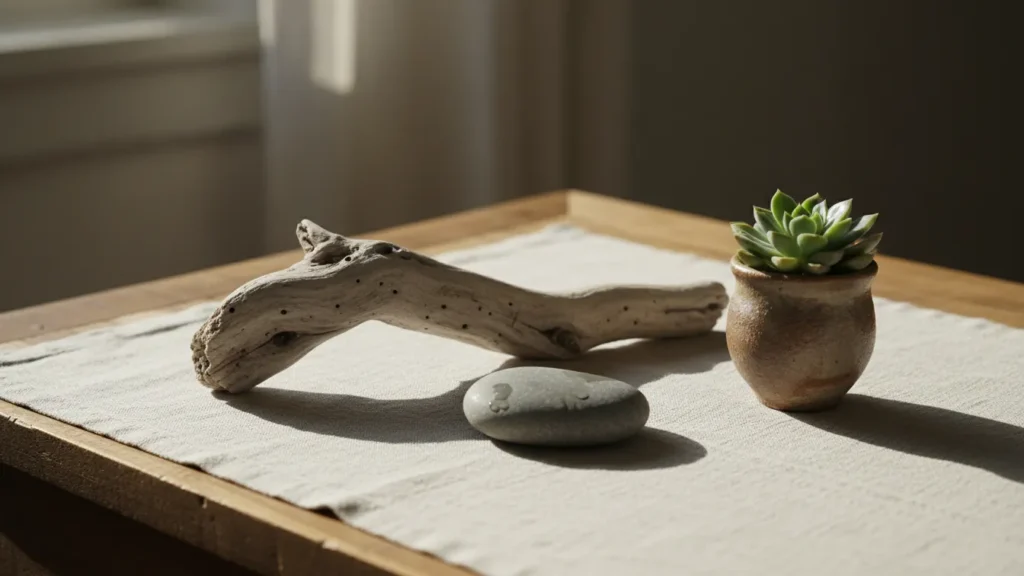
On a side table or shelf, create a vignette using only natural elements: a piece of driftwood, a smooth river stone, and a small succulent in a simple pot. This three-object display celebrates nature and maintains minimalist design principles.
Tech Integration Ideas
Hidden TV Solution
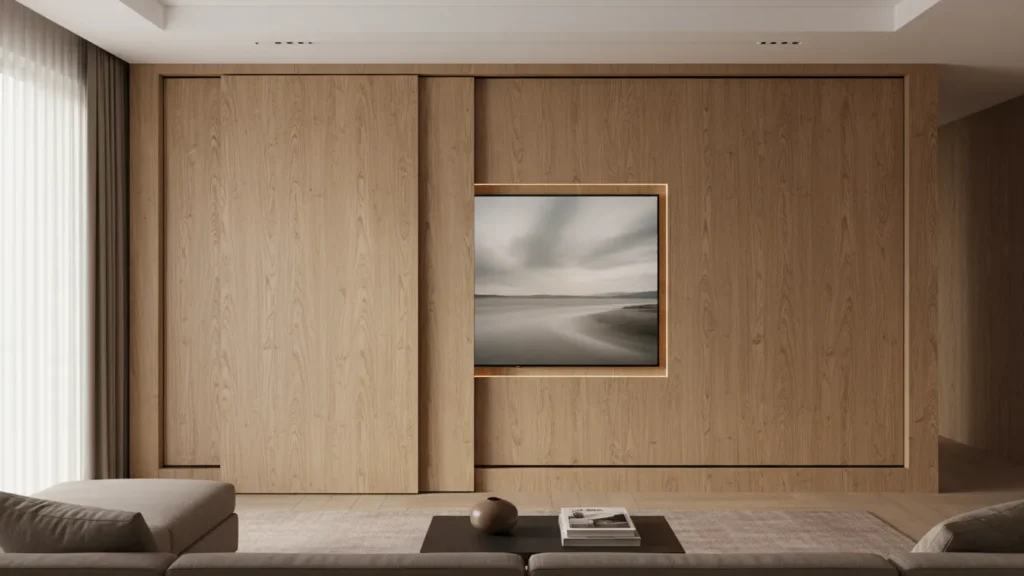
Mount your TV on the wall and conceal it behind a sliding panel of natural wood or frosted glass that matches your wall. When not watching, close the panel to maintain your japandi living room’s serene aesthetic. This is especially important in minimalist interiors where every visual element counts.
Frame TV as Art

Invest in a frame TV that displays art when not in use. Choose black and white photography or minimal abstract art that complements your japandi color palette. Add a simple wooden frame to make it look like a real artwork.
Flooring Ideas
Light Hardwood Throughout
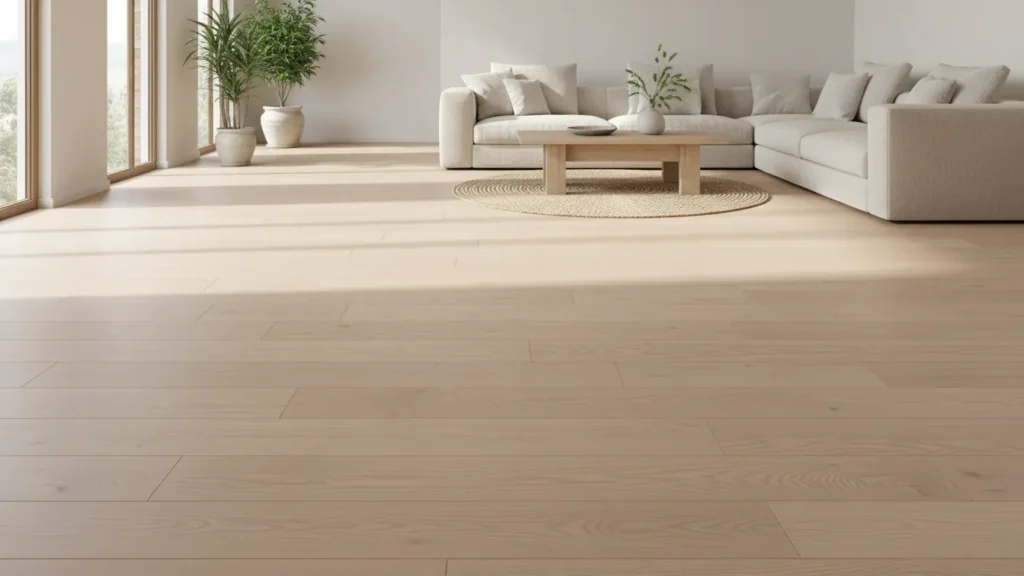
If renovating, choose light hardwood flooring in white oak, ash, or maple with a matte finish. This provides the perfect neutral base for japandi furniture and brightens your entire space. The natural wood grain adds subtle pattern without overwhelming.
Large Format Neutral Tiles
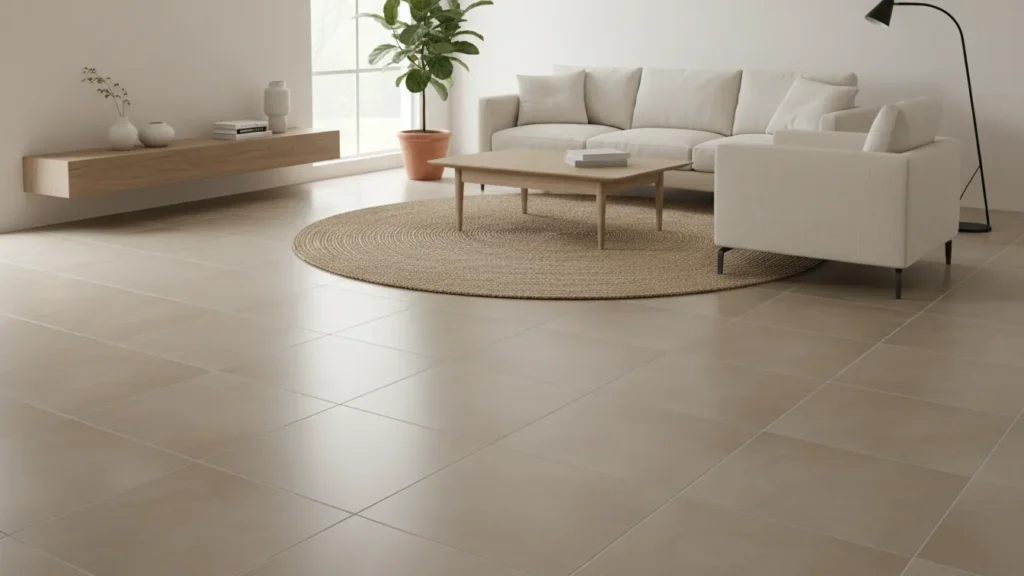
For a more contemporary take, use large-format tiles (24×24 inches or larger) in warm gray, light beige, or cream. Pair with radiant floor heating for Scandinavian-style comfort. The minimal grout lines maintain clean, simple lines.
Budget-Friendly Ideas
DIY Floating Shelf Installation
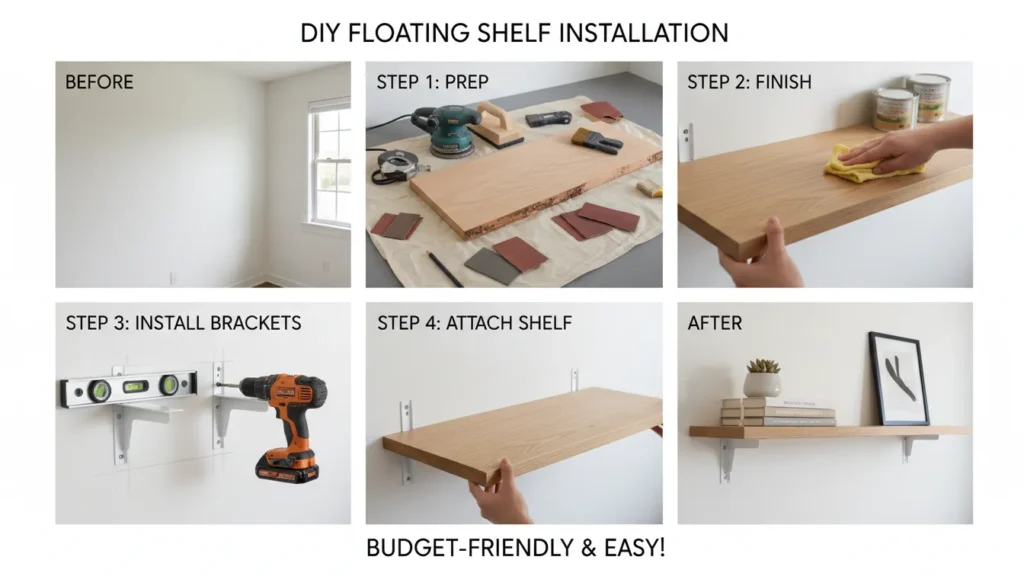
Create your own floating shelves using simple wood boards from a hardware store. Sand them smooth, apply a natural oil finish, and install floating shelf brackets. This DIY approach gives you custom shelving at a fraction of the cost.
Thrifted Furniture Refinishing
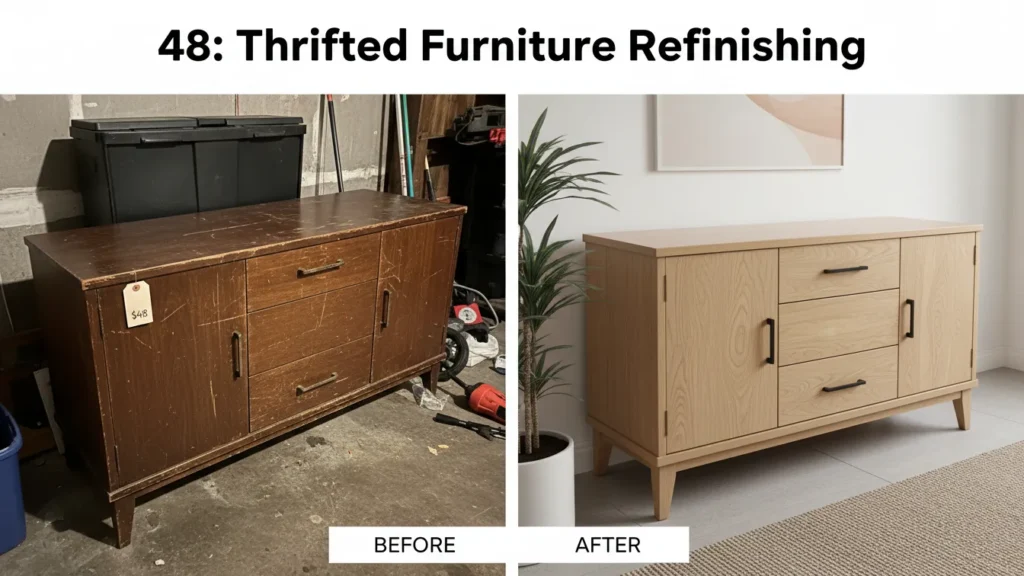
Find solid wood furniture at thrift stores or online marketplaces. Sand pieces down and refinish them in light natural wood stain or paint them in warm white. A thrifted credenza or coffee table transformed with a weekend project becomes a japandi furniture piece at minimal cost.
Natural Branch Decor
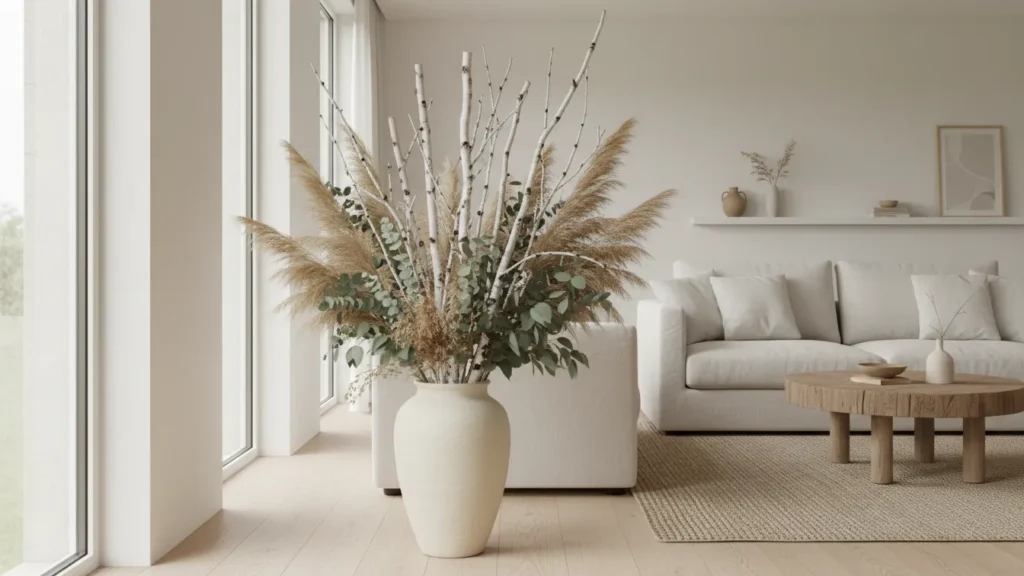
Collect fallen branches from nature walks. Clean them and display them in a tall floor vase or lean them against a wall. This costs nothing and brings organic shapes into your japandi living room. Change them seasonally for visual variety.
Paint Transformation
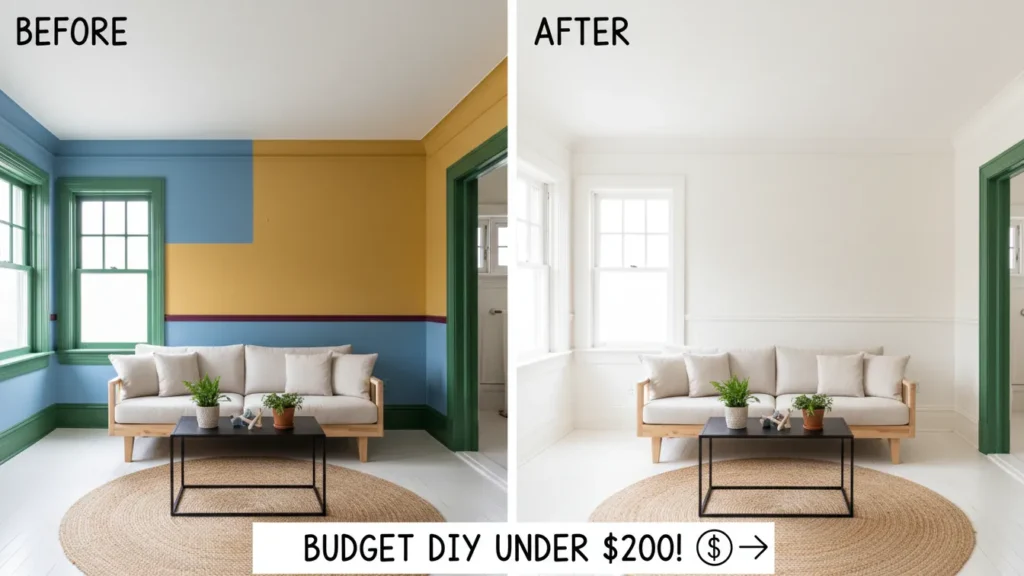
Simply painting your walls in a warm white and your trim in the same color (no contrast) creates an instant japandi aesthetic. This monochromatic approach costs minimal money but transforms the entire feeling of your space.
Detailed Styling Guide for Your Japandi Living Room
Now that you have 50 specific ideas, let’s talk about how to combine them effectively.
Creating a Cohesive Look
The key to successful japandi interior design is consistency. Choose three main materials (like oak wood, linen, and ceramic) and three main colors (like warm white, natural wood, and soft gray). Most of your choices should come from these palettes.
Balancing Minimalism and Coziness
For every “hard” element (wood furniture, stone, metal), add a “soft” element (textiles, plants, cushions). This balance prevents the space from feeling either too stark or too cluttered. In my experience, a ratio of about 60% minimal/40% cozy works perfectly for most people.
The Editing Process
After implementing several ideas, step back and evaluate. Does anything feel “too much”? In japandi style, less is genuinely more. If you’re unsure whether something should stay, remove it for a week and see if you miss it.
Common Mistakes to Avoid
Mixing too many ideas at once: Start with five to seven ideas from the list above rather than trying to implement everything. Build your space gradually.
Choosing cheap materials: Japandi design celebrates quality natural materials. One real wood piece beats five particleboard items every time.
Forgetting about lighting: Even the most beautifully furnished japandi living room fails without good lighting. Prioritize this element.
Over-accessorizing: Just because you have shelves doesn’t mean they need to be full. Empty space is a design feature, not a problem.
Bringing It All Together
Creating your perfect japandi living room is about choosing the right combination of these ideas for your specific space and lifestyle. Start with the fundamentals—decluttering, choosing a neutral palette, and selecting quality furniture. Then layer in the details that speak to you.
Your japandi living room should feel like a calm retreat from the busy world. It should be beautiful but livable, minimal but comfortable, simple but interesting. That’s the magic of combining Japanese aesthetics with Scandinavian design.
Your Japandi Journey Starts Now
You now have 50+ detailed, actionable japandi living room ideas to transform your space. Don’t feel pressured to implement everything at once. Choose three to five ideas that resonate with you and start there. As you live with these changes, you’ll discover what works for your lifestyle and what you want to add next.
The beauty of japandi style is that it’s forgiving and flexible. There’s no single “right” way to create a japandi living room—just principles to guide you toward a space that feels authentically calm and beautiful.